5 Warning Signs Your Roof Needs a Replacement Not Just a Repair
One of the costliest decisions homeowners can get wrong is knowing when to stop patching and start replacing. However, the warnings are usually there long before the ceiling caves in – you just need to be aware of what you’re seeing.
The sunk-cost trap most homeowners fall into
Roof repairs always seem like the cheaper option at the time. A few missing shingles here, a leak over the bathroom there – these are seemingly small issues to manage. The problem is that when your roof is at a stage where it’s passed its useful life, making these repairs is essentially what’s keeping you going for a couple of months before you have to do it all over again. After a couple of years, these costs rapidly add up and the condition of the roof has only gotten substantially worse.
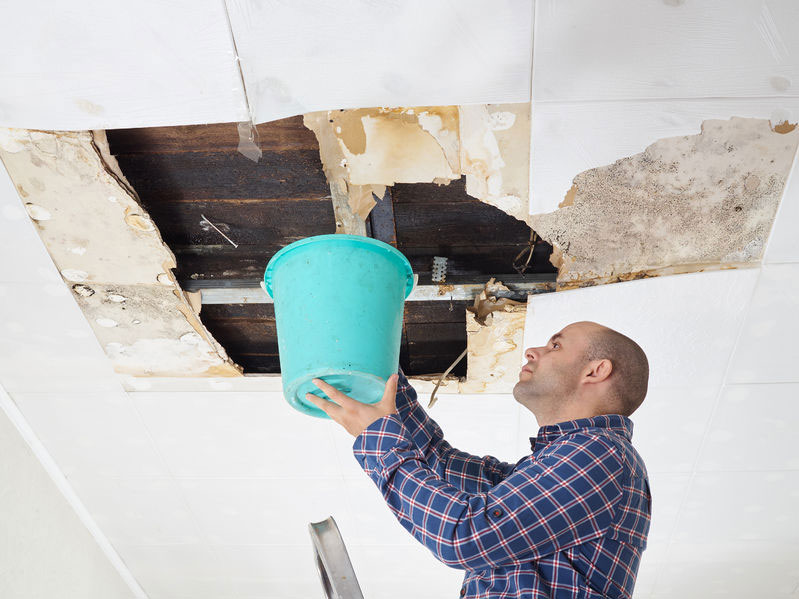
The maximum expectancy of a standard asphalt shingle roof is 20 years. Waiting until it actively fails can make repair costs to interior water damage rise by 300% compared to doing a planned replacement (National Association of Home Builders). That’s a staggering figure, and it means that the guy who’s spent the last 2 years patching a 22-year-old roof not only paid for his patches; he also paid the hefty price associated with mold remediation, structural repairs, and possibly also insulation replacement on top of his new roof.
The following five indicators aren’t just cosmetic wear and tear. They’re the issues you’ve been ignoring while you’re trying to eke a few more weeks out of your roof.
1. The shingles are curling, cupping, or clawing
Asphalt shingles distort over time as sun and weather degrade the chemical compounds that keep them pliable. The edges curl upward, the center of the shingle scoops down, or the tabs pull away in a pattern called clawing. This is the beginning of the end for the roof.
Once shingles lose their pliability, they can’t lie flat and won’t shed water properly. Water pools at the distorted edges, serves as a wedge to lift the shingle higher, and eventually leaks into the attic. An even smaller amount of wind uplift will finish off the shingle by tearing it free from the roof deck.
2. Your gutters are full of shingle granules
Granules are the mineral coating on asphalt shingles that protect them from UV radiation. They are what give asphalt shingles their color, shape, and textured surface. As a roof ages, those granules start shedding – and they end up in the gutters.
Finding a small amount of granules is normal. Finding a thick layer of grit after every rain, or noticing the shingles themselves look patchy or bald in spots, tells a different story. Granule loss at that level means the shingles have lost their UV protection and are degrading quickly. The bare asphalt underneath will crack and blister within a season or two. No amount of patching addresses this because the protective layer is gone across the entire surface.
3. The roofline or decking is sagging
A sagging roofline or roof that feels unusually soft underfoot is a serious warning sign of advanced roof-deck rot. This damage is typically caused by long-term moisture infiltration, often worsened by poor attic ventilation that allows heat and humidity to build up beneath the shingles.
By the time sagging becomes visible, the damage is likely extensive. Repairs may require removing the shingles and replacing compromised sections of the roof deck, making it a major structural repair regardless of the shingles’ condition.
4. You’re seeing daylight or water stains in the attic
Visit your attic on a sunny day and look for small pinholes of light coming through the roof boards. This can indicate that the underlayment (the water-resistant barrier beneath the shingles and above the roof deck) has been compromised. In this case, the problem may lie beneath the shingles rather than with the shingles themselves.
Water stains on your attic rafters or ceiling joists result from the same problem. Discoloration indicates that water has been entering consistently, not just during a heavy storm. Mold and mildew thrive in such situations, and when you start seeing them, they’ve likely been developing for some time. At this point, a professional inspector from a Roofing company windsor residents rely on can help you learn if your roof deck is still in good shape or if the damage is too extensive to repair.
5. You’re dealing with leaks in multiple locations
Fixing a single leak that is flashing-related (e.g. around a chimney or in a valley) is a proper fix. Flashing will normally go before the rest of the roof, and it is an easy fix to deal with flashing that is overextended, becoming separated or wedged open.
Multiple leaks happening all over the place are a sure sign that the roof has to be replaced. When the roofing system is failing, you have to replace it. Fixes that treat symptoms, like trying to tape over different leaks with sealant, will cause another hole to appear sooner than later.
Making the call
If your roof shows any of these warning signs, it is time to assess its condition. Two or more signs may indicate that replacement is overdue. As a roof ages, replacing it can become more cost-effective than repeatedly paying for repairs, especially as ongoing water damage can make both roof and structural repairs increasingly expensive.
The practical move is to pay a qualified professional to get up on your roof before the next rough weather season and make some recommendations, not waiting until after the rough weather hits and causes expensive damage.