The State of the Australian Bathroom Renovation Market in 2026

The bathroom has quietly become one of the most renovated rooms in the Australian home, and 2026 looks set to continue that trend rather than slow it down. Between shifting material preferences, ongoing demand for more functional, wellness-oriented spaces, and a generation of homes now old enough to need a genuine refresh, the renovation industry is responding to a market that shows little sign of cooling. Here’s a broader look at what’s shaping demand, materials, and homeowner priorities across the country this year.
Sustained Demand Despite Cost-of-Living Pressures
It might seem counterintuitive that renovation demand remains strong at a time when many households are being more careful with discretionary spending, but bathrooms have proven relatively resilient compared to some other categories of home improvement. Part of this comes down to necessity: a large share of the national housing stock includes bathrooms that are several decades old, and ageing waterproofing, tired layouts, and outdated fixtures eventually require attention regardless of broader economic conditions.
There’s also a value-driven logic at play. Many homeowners are choosing to invest in the homes they already own — renovating rather than moving — partly because upgrading and selling costs (stamp duty, agent fees, moving costs) have made staying put and improving an existing property comparatively more attractive in a lot of markets. A well-executed bathroom renovation is also consistently seen as one of the renovation categories most likely to support a home’s resale value, which continues to make it an appealing project even for homeowners weighing up their options carefully.
Material Trends Shaping the Market
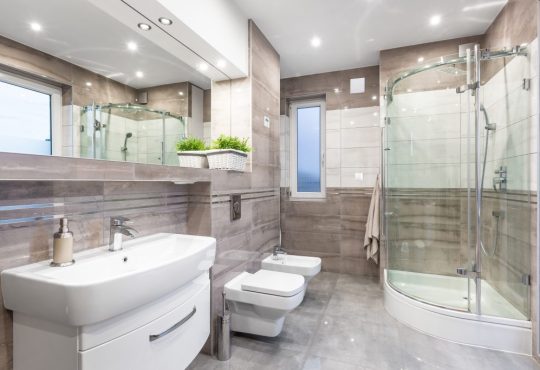
On the materials side, a few clear patterns are emerging nationally. Engineered stone and stone-look porcelain continue to dominate benchtop and feature-wall choices, valued for combining a premium look with more practical maintenance than some natural stone options. Large-format tiles remain popular for their ability to make smaller bathrooms feel more spacious with fewer visible grout lines, while matte and textured finishes are increasingly preferred over high-gloss alternatives for both their aesthetic softness and their comparative forgiveness of everyday water marks and fingerprints.
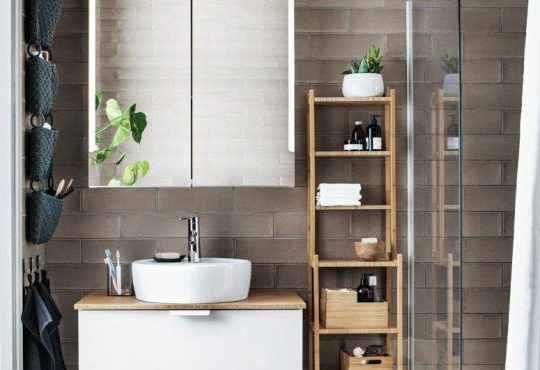
Warmer, more tactile colour palettes are also displacing the stark all-white bathrooms that dominated the previous decade. Timber-look joinery, brushed metal finishes in warm tones such as brass and bronze, and richer neutral colour schemes are being requested more frequently across the country, reflecting a broader shift in interior design toward warmth and texture rather than clinical minimalism.
Functionality and Wellness Are Driving Layout Decisions
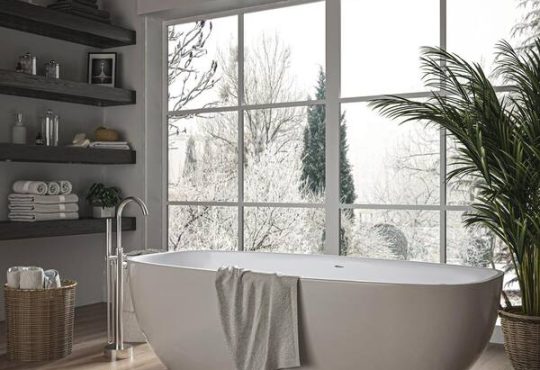
Beyond materials, the way Australians want to use their bathrooms is evolving. Walk-in showers continue to gain ground over combined bath-and-shower units in main bathrooms, driven by both accessibility considerations and a preference for a more open, spacious feel. At the same time, freestanding baths remain in demand for main ensuites and family bathrooms where a household still values a dedicated bathing space, particularly in homes with young children or those positioning the bathroom as a genuine wellness retreat.
Storage is another recurring theme. As bathroom cabinetry has become more design-forward, homeowners are asking for smarter, more concealed storage solutions — recessed niches, tall linen cabinets, and vanity configurations that hide everyday clutter — rather than relying on open shelving alone.
Ventilation, water efficiency, and moisture management are also receiving more attention than in previous renovation cycles, partly due to increased homeowner awareness of products such as WaterMark-certified fittings and WELS-rated fixtures, and partly because humidity-related issues in older bathrooms are a common trigger for renovation in the first place.
Regional Variation Across the Country
While national trends provide a useful overview, renovation priorities do vary by region, shaped by climate, housing stock age, and lifestyle. Coastal regions, for example, tend to see stronger demand for ventilation upgrades, humidity-resistant materials, and design palettes that reflect a relaxed, indoor-outdoor lifestyle. Areas with a higher proportion of older housing stock often see more renovations driven by ageing waterproofing and outdated layouts rather than purely cosmetic preferences. This regional nuance is part of why homeowners are often best served by renovation specialists with strong local knowledge of the conditions and housing styles specific to their area, rather than relying purely on generic national advice.
Labour, Supply, and Project Timelines
On the trades and supply side, the market continues to reflect broader construction industry conditions. Demand for experienced tradespeople remains solid, and well-regarded renovation businesses with strong project management capability continue to be in demand, since coordinating the many trades involved in a bathroom renovation gold coast — plumbing, waterproofing, tiling, electrical, and cabinetry — well is one of the biggest factors separating a smooth renovation from a stressful one. Material lead times can also vary depending on whether products are sourced locally or imported, which is a factor increasingly worth discussing early in the planning process.
What This Means for Homeowners Considering a Renovation in 2026
For homeowners weighing up a bathroom renovation this year, the broader market conditions suggest a few sensible takeaways: demand for quality renovation work remains strong, so planning ahead and securing a reputable, well-reviewed team matters; material choices are trending warmer, more textured, and more considered rather than following a single dominant look; and functionality, water efficiency, and long-term durability are increasingly front of mind alongside aesthetics.
Businesses across the country — including regional specialists such as Only Bathrooms GC on the Gold Coast — are responding to these shifts by offering more considered design guidance and a stronger focus on both the practical and aesthetic sides of a renovation. For homeowners, understanding these broader trends is a useful starting point before narrowing down the specific choices that will suit their own home, climate, and household.