How Regular Plumbing Maintenance Saves Homeowners Thousands
Routine plumbing maintenance eliminates hidden system flaws before they escalate into catastrophic water damage, mold infestations, and structural repair bills. Most major plumbing disasters start as minor issues like a pinhole leak behind a wall, a slight drop in water pressure, or hair buildup deep in a drain. By scheduling professional maintenance checks, homeowners discover these vulnerabilities early, protecting property values and avoiding emergency service premiums.
Investing in preventative plumbing care gives you complete control over your home infrastructure, ensuring reliable water flow and long-term peace of mind. Whether you’re dealing with a sudden pipe burst or planning a major bathroom upgrade, hiring a reliable Torrance plumbing service can save you thousands of dollars in potential water damage down the line.
Early Detection of Hidden Leaks and Corrosion
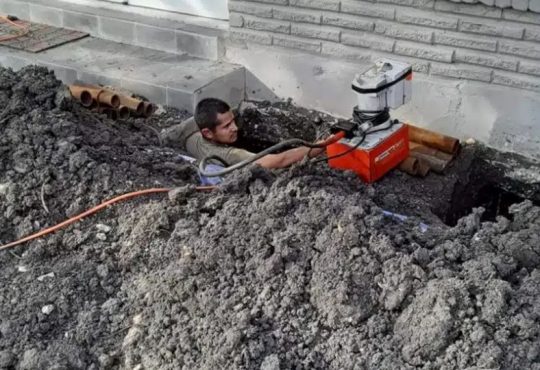
Pipes concealed within walls, crawlspaces, and concrete slabs continuously experience pressure changes and chemical wear. Over time, metal pipes oxidize while plastic lines weaken at joint connections, leading to hairline fractures. These micro-leaks often go unnoticed for months, slowly soaking insulation, rotting wooden studs, and ruining sheetrock.
Professional plumbers utilize specialized diagnostic tools such as thermal imaging cameras and acoustic leak detectors to pinpoint hidden moisture without tearing open walls. Catching a leak during a routine check costs a fraction of the price of remediation work after ceiling drywall collapses or floorboards buckle. Replacing a worn coupling or section of pipe takes minimal time, whereas rebuilding a water-damaged room takes weeks of costly construction.
Corrosion inside supply lines also reduces internal pipe diameter, forcing pumps and water heaters to work harder. Annual inspections identify pipe degradation early, allowing for scheduled replacements rather than chaotic midnight emergencies.
Preventing Devastating Main Sewer Line Backups
Sewer line backups rank among the most unpleasant, hazardous, and expensive plumbing failures a homeowner can face. Wastewater containing harmful bacteria can flood basements, destroy flooring, and require specialized hazardous material cleanup. Tree roots seeking moisture frequently penetrate sewer pipe joints underground, creating dense blockages that catch debris and choke off drainage.
Video camera pipe inspections permit technicians to view the inside of main drain lines in real time. Plumbers can spot tree root intrusion, pipe sagging, or grease buildup before sewage backs up into home fixtures.
Hydro-jetting during maintenance clears out stubborn blockages using high-pressure water streams, restoring full pipe capacity without harsh chemicals. Removing minor obstructions regularly protects underground lines from cracking under immense internal pressure, saving you from total line replacement costs.
Extending Water Heater Lifespan and Efficiency
Water heaters operate continuously under high pressure and heat, making them susceptible to sediment accumulation, valve wear, and corrosion. Minerals like calcium and magnesium settle at the bottom of the tank during heating cycles, forming a dense layer of scale. This sediment acts as an insulator, forcing heating elements to run longer, spiking energy bills, and causing tank metals to overheat and crack.
Flushing the water heater tank annually removes sediment buildup, restoring optimal heat transfer efficiency. Plumbers also inspect the sacrificial anode rod, a vital component designed to corrode in place of the steel tank walls. Replacing a depleted anode rod during routine service doubles the operational life of the unit, preventing catastrophic tank ruptures and expensive utility bills.
Checking pressure relief valves ensures dangerous internal pressure cannot build up, keeping the system operating safely year after year.
Maintaining Correct System Water Pressure
Excessive water pressure feels great in the shower, but it acts as a silent destroyer of residential plumbing systems. Standard residential plumbing components are engineered to withstand water pressure between forty and eighty pounds per square inch. Municipal supply spikes or failing pressure regulators often push levels well beyond safe limits, stressing appliance valves, pipe joints, and flexible lines.
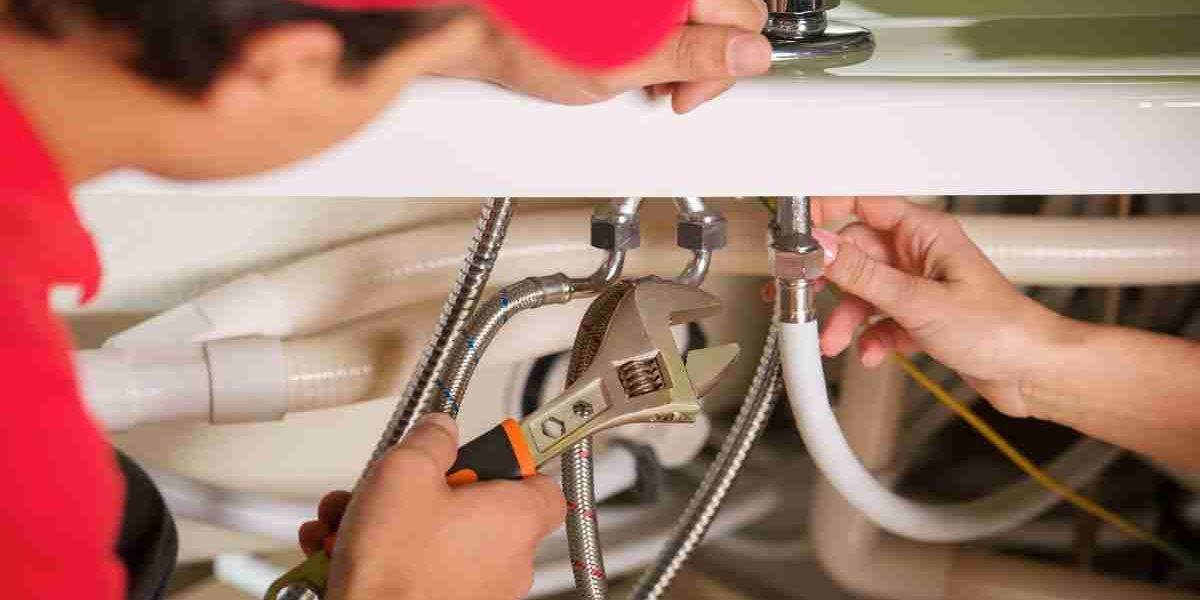
High pressure causes water hammer, a destructive shockwave created when valves shut off abruptly. Over time, these violent pressure spikes loosen fittings, strain washing machine hoses, and cause ceramic faucet cartridges to fail prematurely.
A licensed plumber tests home pressure during routine visits and calibrates or replaces pressure-reducing valves. Keeping pressure within safe operating parameters preserves internal seals and prevents sudden line bursts across all water-using appliances.
Conclusion
Regular plumbing maintenance transforms home care from a stressful, reactive gamble into a predictable, manageable routine. Inspecting hidden pipes, clearing main sewer lines, flushing water heaters, and balancing water pressure prevents catastrophic breakdowns before they begin. The minimal cost of annual inspections pays for itself many times over by avoiding emergency fees, structural restoration, and early appliance replacement. By investing in professional preventative services today, you ensure your home remains safe, efficient, and dry for decades to come.