
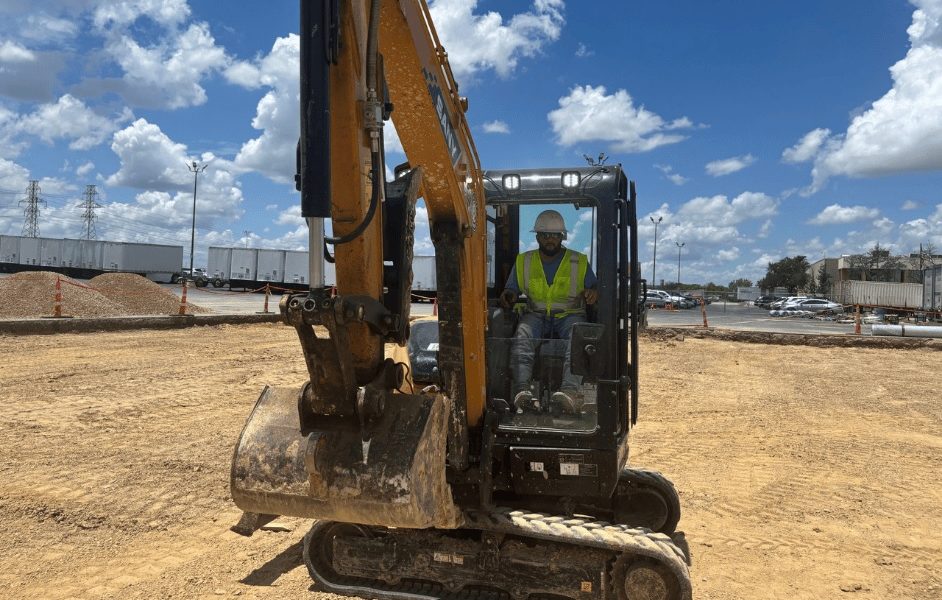
Excavator Rental in Dallas: Open up Project Efficiency Today
Key Takeaways
Selecting the appropriate excavator for a project in Dallas demands careful consideration of horsepower, digging depth, and the compatibility of terrain. Mastering these aspects can markedly enhance project execution.
Moreover, having the right attachment options—like buckets and thumbs—proves essential for optimizing operational efficiency while sticking to a budget that balances performance with costs.
Brand performance can differ notably, with Kubota generally recognized for its fuel efficiency, John Deere celebrated for its intuitive controls, and Cat regarded as the heavyweight champion in heavy-duty applications. The choice of brand could greatly affect productivity and timelines.
The excavator’s size and weight must correspond to the conditions on site. Heavier machines are better suited for unequally surfaced terrain, while lighter models shine in tighter spaces.
Grasping the intricacies of rental agreements—including duration of use and insurance provisions—becomes vital in preventing complications during projects. Having flexibility within agreements can significantly influence project results.
Timely logistics, including precise delivery and effective communication, are crucial in keeping project schedules intact. Clarifying delivery and pickup arrangements is vital to ensuring operations run seamlessly.
Furthermore, rental costs in Dallas tend to vary based on demand, project scale, and machine specifications. By comparing daily, weekly, and monthly rates, clients can manage their budgets more efficiently.
Discovering the Right Mini Excavator for Your Project Needs
Key Features to Consider Before Renting
Renting an excavator might feel overwhelming due to the vast options available. When assessing excavator rental in Dallas, certain key features emerge as critical. Initially, one should evaluate the machine’s horsepower and digging depth; these are fundamental to executing projects effectively. Additionally, the terrain type is vital; while some mini excavators shine in muddy areas, others may struggle.
Attachment options are another substantial consideration. Do clients require a bucket for digging or a thumb for debris handling? Flexibility with attachments enhances operational efficacy. Naturally, budget considerations are unavoidable, with a need for the output to justify the expense. Finding a rental that marries price with performance is essential.
How Different Brands Stack Up in Performance
Brand reputation plays a significant role in performance assessments. Brands like Kubota, John Deere, Cat, and Bobcat each offer unique benefits. For example, Kubota models are often hailed for their fuel efficiency and dependability. On the other hand, John Deere typically excels in user-friendly controls, while Cat is favored for robust performance.
JCB machines are gaining traction as well, especially for those projects where a smaller footprint is needed without compromising power. Familiarity with how different brands perform across various conditions can provide businesses with a competitive edge. The right selection can lead to marked improvements in productivity and overall project timelines.
Assessing Size and Weight for Optimal Efficiency
Excavators vary greatly in size and shape, making the selection of the correct one powerfully impactful. The weight must align with site conditions. Heavier excavators can navigate uneven surfaces more efficiently, whereas lighter models are ideal for confined settings.
Experts advise looking at not only the physical constraints but also the operational scope. Short tasks might benefit from a compact machine, whereas larger projects may necessitate a bigger unit capable of completing tasks more swiftly. Grasping the balance between size and efficiency is essential for achieving optimal performance.
Streamlining Your Excavation Timeline: Rental Tips
Maximizing Productivity with the Right Equipment
A project’s productivity is heavily influenced by the equipment utilized. Many clients discover that a well-maintained mini excavator facilitates quicker and more effective digging. Reducing downtime is crucial. Scheduling regular maintenance during the rental period can avert operational interruptions, ensuring machinery is ready to work when required.
Understanding the site’s layout plays a significant role in maximizing efficiency. Professionals should conduct preliminary evaluations of the area to identify potential obstacles. Knowledge of where digging can occur simplifies operations, ultimately saving time and costs.
Understanding Rental Agreements and Flexibility
Comprehending rental agreements is crucial as they define the usage conditions, potentially saving significant trouble later. Clients often encounter rigid regulations regarding usage duration, which can impede progress. Understanding how flexible these agreements are—like whether extensions are feasible—can alter project outcomes tremendously.
The insurance policy related to the rental is also worth careful examination. Comprehensive knowledge of coverage can facilitate smooth operations and minimize financial strain. A thorough overview of the agreement helps in avoiding complications in the future.
Logistics: Delivery and Pickup Made Easy
Logistics are pivotal for maintaining project timelines. When renting an excavator, prompt delivery is essential. Clients should ascertain how their delivery and pickup will be managed, including any related fees. Establishing a clear timeline allows project managers to coordinate tasks effectively.
Smooth logistics enhance project flow. When machinery arrives punctually, teams can commence work without delays. The same level of responsiveness can be crucial for equipment changes, allowing for quick swaps if necessary. So, clear communication with the rental service is key.
Working through the Costs: What to Expect from Excavator Rentals
Factors Influencing Rental Prices in Dallas
The costs associated with an excavator rental are influenced by a variety of factors, including seasonal demand, project size, and market conditions. For example, the price of an excavator rental in Dallas may fluctuate during peak construction seasons when demand for heavy equipment is higher. Understanding these variables can help contractors and project managers plan more effectively and maintain better control over their budgets.
Additionally, the size, specifications, and model of the excavator play a significant role in determining rental costs. Advanced, high-performance machines with greater horsepower and enhanced features generally command higher rental rates. On the other hand, compact excavators are often more economical and well-suited for smaller-scale projects. Evaluating the equipment’s capabilities alongside the project’s requirements is essential for achieving the right balance between cost and performance.
Comparing Daily, Weekly, and Monthly Rates
Rental rates usually fluctuate based on duration. Daily short-term rentals can quickly accumulate costs, especially for longer projects. However, opting for weekly or monthly rentals can yield savings on extended jobs.
Clients are encouraged to crunch the numbers. Comparing how each option aligns with the project timeline and daily operating expenses helps identify the most financially viable solution. This analytical approach allows proper budget management while sidestepping unexpected costs.
Tackling Budget Constraints with Strategic Planning
Clients must be mindful of budget limitations when renting equipment. Strategic planning is paramount. Allocating a dedicated budget for excavation needs not only keep projects progressing but also allows flexibility for unforeseen expenses. Negotiating rental prices shouldn’t be overlooked, either.
Incorporating contingency strategies can alleviate financial pressure. Properly estimating potential costs associated with equipment transit, labor surpluses, or extended rental periods prepares clients for unexpected challenges.
Safety Protocols and Best Practices in Excavation
Essential Safety Gear for Your Rental Experience
Ensuring safety in excavation work is of utmost importance. Having the right protective gear dramatically lowers the risk of accidents on-site. High-visibility vests, hard hats, and sturdy work boots are crucial. Additionally, standard personal protective equipment (PPE) should include gloves and goggles to protect operators from debris and hazardous situations.
Following established safety protocols ensures teams remain alert and aware of their surroundings. Workers must receive comprehensive training on the equipment to enhance both efficiency and safety. Conducting safety checks before commencing a project can help catch minor issues before they become problems.
Operating Guidelines for Mini Excavators
Proper operating guidelines for mini excavators are essential and should be a priority. Training is critical not only for experienced operators but for novices too. Manuals from rental services should always be reviewed prior to operation. Sticking closely to these operational protocols improves safety and efficiency.
Recognizing that one approach doesn’t suit all, site-specific operational guidelines should be tailored to each unique circumstance. Implementing a checklist prior to every use—which includes equipment inspections, site reviews, and personnel readiness—can significantly minimize risks.
Ensuring Compliance with Local Regulations
Adhering to local regulations is absolutely necessary. Many municipalities enforce specific codes governing excavation practices, machine usage, and operational hours. Ignoring these regulations can lead to severe penalties or legal complications.
Rental companies usually possess valuable knowledge on local regulations and can provide guidance on compliance. It’s advisable to consult them about any uncertainties to mitigate risks and ensure operations remain within legal parameters.
FAQ
What should clients look for in terms of after-rental support?
After-rental support can be crucial. Clients ought to confirm that the rental company offers resources such as maintenance checks and assistance for operational queries, contributing to a smoother rental experience.
How can clients effectively assess if they chose the right machine post-rental?
After the rental period concludes, reviewing the outcomes can shed light on the effectiveness of the machine. Analyzing productivity levels, operational efficiency, and overall success helps determine if the chosen equipment met the project’s requirements.
Are there rental options for specialized excavator attachments?
Indeed, many rental companies provide specialized attachments tailored for specific tasks. Clients could inquire about available options like hydraulic thumbs, specialized buckets, or additional tools that enhance the machinery’s functionality for distinct projects.
What role do environmental concerns play in excavation projects?
Environmental issues are gaining importance in excavation. Projects must comply with regulations concerning land use, noise control, and waste management. Consulting with professionals can help guarantee adherence and avoid potential complications.
How can clients prepare their site for excavator delivery?
Preparing the site involves removing obstacles and ensuring there’s adequate room for delivery. Clearly marking designated areas for equipment staging contributes to a safe environment for both the delivery team and the machinery.
What is the typical turnaround time for excavator rental agreements?
Turnaround times can vary significantly based on the situation. However, clients generally can expect a rapid process, often within a few hours. Planning in advance facilitates easier negotiations and quicker access to equipment.
How can technology improve excavator efficiency on a job site?
Technology boosts performance via advanced tracking and monitoring systems. Machines outfitted with GPS technology can enhance precision and output, assisting operators in effective project management and minimizing delays.
What strategies can clients use to negotiate better rental terms?
Negotiating rental terms can lead to more favorable arrangements. Clients should research market rates, grasp seasonal demands, and arrive prepared with project timelines and budget limitations to strengthen their position during negotiations.
Useful Resources
- Equipment World– A leading publication providing news and resources on construction equipment and rental best practices.
- RentalHQ– A thorough directory for finding rental companies and tips for renting equipment.
- AggMan– Offers insights and information related to the aggregates industry, including excavation practices and equipment performance.
- Construction Dive– Provides breaking news and analysis for the construction industry, including the latest trends in equipment rental.
- National Contractors Association (NCA)– A resource for contractors that includes safety protocols and compliance guidelines.
- Occupational Safety and Health Administration (OSHA)– A federal agency providing guidelines and regulations related to workplace safety, including excavation safety standards.
- Equipment Radar– Offers tools for comparing construction equipment rentals and managing budgeting strategies.
- Construction Executive– Provides resources on financial management, equipment utilization, and project management in the construction industry.