Statement Objects That Anchor Interior Narratives
Every thoughtfully designed interior tells a story. While layout, color, and lighting establish structure, statement objects give a space identity and emotional direction. These pieces do more than decorate a room. They anchor visual attention, reflect personality, and shape how people experience an environment from the moment they enter.
Statement objects act as narrative anchors. They guide the eye, establish tone, and create cohesion between design elements that might otherwise feel unrelated. Whether bold or subtle, sculptural or functional, the right statement piece can transform an ordinary room into a memorable space with character and purpose.
This guide explains how statement objects work, why they matter, and how to use them effectively to create interiors that feel intentional and expressive.
Understanding the Role of Statement Objects in Interior Storytelling
Statement objects are visually dominant elements that influence how a room is perceived. They provide a focal point and help organize surrounding design decisions.
These objects often:
- Establish visual hierarchy
- Introduce personality into the space
- Connect color palettes
- Define stylistic direction
- Anchor furniture arrangements
Without a strong statement element, interiors can feel unfinished or visually scattered.
Recognizing What Makes an Object a Statement Piece
Not every decorative object qualifies as a statement piece. A statement object commands attention while supporting the overall composition of the room.
Common characteristics include:
- Distinctive scale
- Unique material presence
- Bold color contrast
- Sculptural shape
- Cultural or personal meaning
A statement object stands out without disrupting harmony.
Use Statement Furniture to Define the Narrative Direction
Furniture often serves as the strongest narrative anchor in a room. A single standout piece can establish the entire mood of the interior.
Examples include:
- Sculptural lounge chairs
- Dramatic dining tables
- Bold headboards
- Curved sofas
- Vintage cabinets
Once a statement furniture piece is introduced, surrounding accessories should support its tone rather than compete with it.
Highlight Walls With Statement Artwork
Artwork can anchor interiors emotionally as well as visually. A large-scale artwork often becomes the defining element of a room.
Statement artwork helps:
- Introduce color relationships
- Add texture through brushwork or material layering
- Express personal identity
- Strengthen focal walls
Oversized artwork is particularly effective above sofas, beds, and entry consoles.
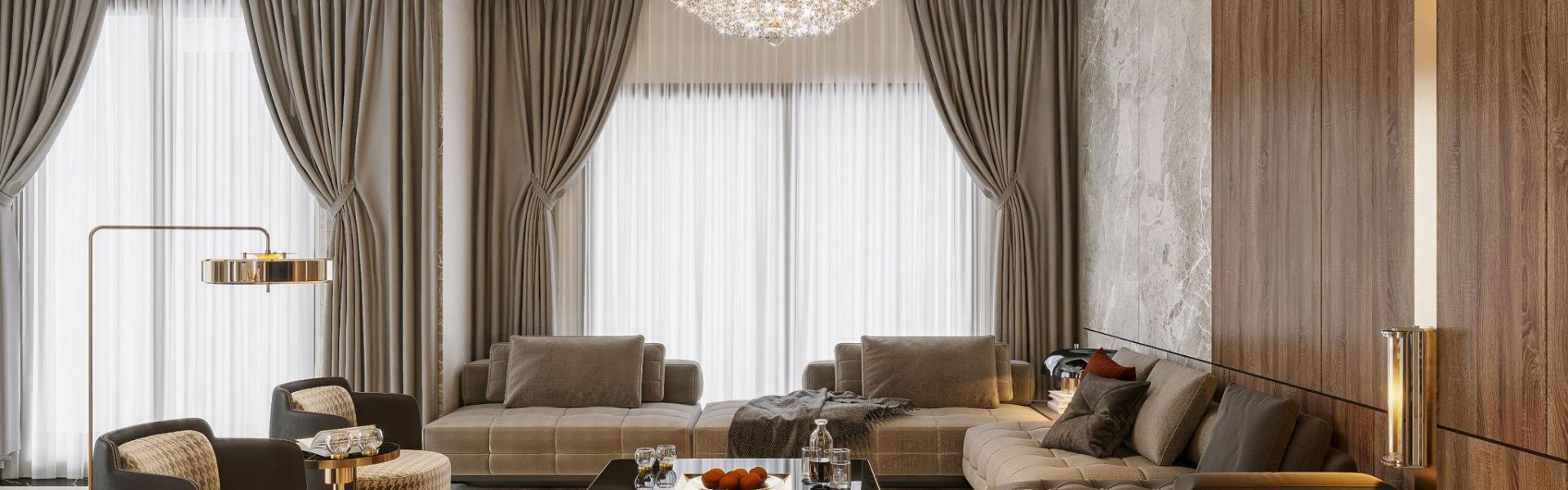
Choose Statement Lighting That Shapes Atmosphere
Lighting fixtures can function as sculptural elements while improving functionality.
Strong statement lighting examples include:
- Oversized pendant fixtures
- Linear chandeliers
- Sculptural table lamps
- Geometric floor lamps
These fixtures guide attention upward and create spatial structure.
Use Rugs as Narrative Anchors in Open Layouts
Area rugs often define zones within larger rooms. When selected intentionally, they also function as statement objects.
Statement rugs help:
- Anchor seating arrangements
- Introduce pattern relationships
- Connect furniture pieces visually
- Strengthen color palettes
Large rugs are especially effective in open-concept interiors where visual boundaries are needed.
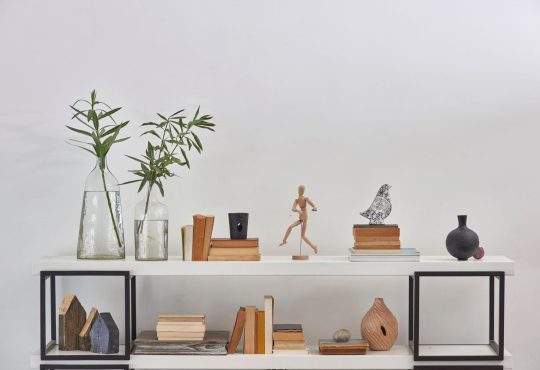
Introduce Sculptural Decor for Artistic Depth
Sculptural objects add dimension and individuality to interiors.
Popular sculptural statement accessories include:
- Abstract ceramic forms
- Metal art pieces
- Stone sculptures
- Carved wood objects
These elements contribute texture and visual movement.
Anchor Entryways With a Strong First Impression Piece
Entryways benefit from statement objects that establish tone immediately.
Effective entry anchors include:
- Large mirrors
- Console tables with sculptural bases
- Oversized vases
- Statement lighting fixtures
These pieces prepare visitors for the design language of the rest of the home.
Balance Statement Objects With Supporting Elements
A strong statement object should remain the visual priority. Supporting decor should enhance rather than compete with it.
Helpful strategies include:
- Repeating one color from the statement object elsewhere in the room
- Choosing complementary textures
- Maintaining clear spacing around the focal piece
- Avoiding multiple competing statement items in the same zone
Balanced composition strengthens narrative clarity.
Use Statement Objects to Reflect Personal Identity
Interior storytelling becomes meaningful when it reflects the people living within the space.
Personal statement objects might include:
- Travel artifacts
- heirloom furniture
- handcrafted pottery
- collectible artwork
- custom-designed pieces
These objects add authenticity that cannot be replicated by trend-based decor.
Establish Contrast to Strengthen Visual Impact
Contrast helps statement objects stand out more clearly.
Examples include:
- Dark furniture against light walls
- smooth materials paired with textured finishes
- modern objects within traditional interiors
- bold shapes against minimal backgrounds
Contrast improves visibility and strengthens presence.
Consider Scale Carefully When Selecting Statement Pieces
Scale determines whether a statement object feels intentional or overwhelming.
Helpful scale guidelines include:
- Larger rooms support larger anchors
- tall ceilings benefit from vertical elements
- compact rooms require focused statement placement
- oversized pieces should maintain circulation space
Correct proportions improve both comfort and visual clarity.
Use Color Strategically to Reinforce the Narrative
Color plays a powerful role in statement object selection.
Strong color-based statement choices include:
- jewel-toned chairs
- patterned rugs
- painted cabinets
- expressive artwork
Repeating these tones throughout the room strengthens narrative continuity.
Anchor Dining Areas With Statement Centerpieces
Dining tables benefit from strong visual anchors that define their role within the space.
Effective centerpiece options include:
- sculptural bowls
- clustered candle arrangements
- ceramic vessels
- seasonal floral displays
A well-scaled centerpiece improves both balance and atmosphere.
Integrate Statement Objects Into Bedroom Layouts
Bedrooms benefit from anchors that support comfort and calmness.
Common bedroom statement elements include:
- upholstered headboards
- layered artwork above beds
- pendant lighting beside nightstands
- textured bedding arrangements
These features create a restful narrative environment.
Use Statement Mirrors to Expand Perception and Light
Mirrors function as both practical and narrative elements.
Statement mirrors help:
- reflect natural light
- increase perceived space
- highlight focal furniture
- strengthen entryway compositions
Large mirrors often serve as anchors in smaller interiors.
Anchor Open Concept Spaces With Strategic Placement
Open layouts require strong anchors to maintain organization.
Statement objects help define:
- seating zones
- dining areas
- reading corners
- transitional pathways
Strategic placement prevents visual drift between spaces.
Avoid Overloading a Room With Multiple Competing Anchors
Too many statement objects weaken the narrative rather than strengthen it.
Maintain clarity by:
- choosing one dominant anchor per zone
- limiting bold color repetition
- spacing statement pieces thoughtfully
- supporting anchors with neutral surroundings
Focused placement preserves visual strength.
Refresh Narrative Anchors Over Time
Interior storytelling evolves as lifestyles change. Updating statement objects occasionally keeps spaces aligned with current needs and preferences.
Simple refresh strategies include:
- rotating artwork locations
- changing centerpiece arrangements
- replacing accent chairs
- introducing seasonal textiles
These updates maintain narrative relevance.
Use Material Contrast to Strengthen Statement Presence
Material selection affects how statement objects interact with surrounding elements.
Effective material contrasts include:
- wood paired with metal
- glass paired with stone
- fabric paired with leather
- matte finishes paired with polished surfaces
Material variation increases depth and interest.
Support Statement Objects With Intentional Lighting Placement
Lighting enhances the visibility and impact of statement pieces.
Helpful lighting strategies include:
- directional spot lighting for artwork
- pendant placement above dining tables
- wall sconces near mirrors
- accent lighting near sculptural decor
Proper illumination reinforces focal strength.
Maintain Clear Surrounding Space for Maximum Impact
Statement objects need visual breathing room.
Allow space by:
- avoiding clutter nearby
- limiting competing textures
- maintaining balanced spacing
- keeping adjacent surfaces simple
Clear surroundings improve readability.
Frequently Asked Questions
How do I choose the right statement object for my space
Start by identifying the mood you want the room to express, then select a piece that reflects that atmosphere through scale material or color.
Can statement objects work in small rooms
Yes smaller rooms benefit from carefully selected anchors such as bold artwork mirrors or sculptural lighting that create focus without overcrowding the space.
Should every room have a statement object
Most rooms benefit from at least one focal anchor because it helps organize layout decisions and strengthens visual identity.
Can functional furniture also serve as statement objects
Yes pieces such as dining tables headboards and lounge chairs often act as both practical furnishings and narrative anchors.
How many statement objects should be used in one open concept space
Each zone within an open layout can include one anchor but they should relate visually through color material or shape repetition.
Do statement objects always need bold colors
No sculptural form material contrast and scale can create strong impact even when color remains neutral.
How can I keep statement objects from looking outdated over time
Choose pieces with strong craftsmanship meaningful character and adaptable color relationships so they remain relevant as surrounding decor evolves.