
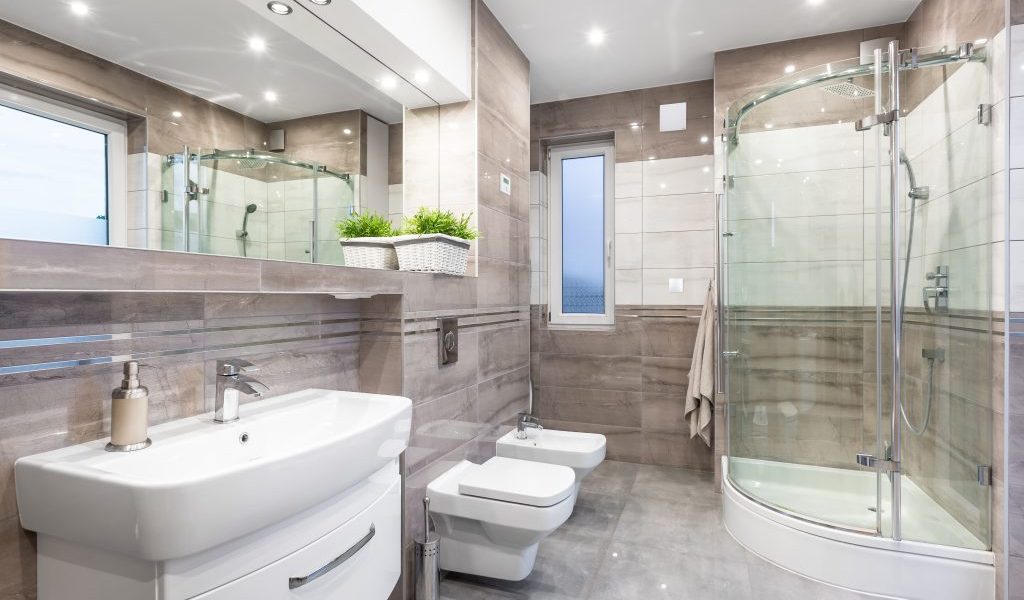
Smart Ventilation Planning for Healthier Bathrooms
Bathroom ventilation plays a critical role in maintaining indoor air quality, protecting building materials, and supporting everyday comfort. Without proper airflow, moisture accumulates quickly and creates conditions that encourage mold growth, lingering odors, peeling finishes, and long-term structural damage. Thoughtful ventilation planning helps prevent these issues while improving the overall usability of the space.
Whether you are designing a new bathroom or upgrading an existing one, a well-planned ventilation system ensures healthier air, longer-lasting surfaces, and a more pleasant environment.
Why Bathroom Ventilation Matters More Than Most People Realize
Bathrooms generate more humidity than almost any other room in a home. Hot showers, running sinks, and daily cleaning activities release moisture that must be removed efficiently.
Effective ventilation helps:
- Control humidity levels
- Prevent mold and mildew growth
- Protect paint and finishes
- Reduce odors
- Improve indoor air quality
- Extend the lifespan of cabinetry and fixtures
Without consistent airflow, moisture remains trapped inside walls, ceilings, and flooring layers.
Understand the Difference Between Ventilation and Air Circulation
Ventilation removes stale air from a space, while air circulation moves air within the same area. Both are useful, but ventilation directly improves air quality by replacing humid air with fresh air.
True bathroom ventilation requires:
- Exhaust pathways
- Outdoor vent termination
- Mechanical airflow assistance when needed
Simply opening the bathroom door does not provide adequate moisture removal.
Choose the Right Exhaust Fan Size for the Room
Selecting the correct exhaust fan capacity is essential for effective moisture removal. Fans that are too small struggle to keep up with humidity, while oversized units waste energy and create unnecessary noise.
Fan capacity is typically measured in cubic feet per minute.
A properly sized exhaust fan should:
- Match bathroom square footage
- Support ceiling height
- Account for shower or tub usage frequency
- Consider enclosed toilet compartments when present
Matching fan size to room conditions ensures consistent airflow performance.
Position Exhaust Fans Where They Work Best
Placement affects how efficiently a fan removes moisture. Installing the fan directly above or near the primary humidity source improves performance.
Ideal placement locations include:
- Above the shower area
- Near the bathtub zone
- Close to the toilet area when odors are a concern
- Centered in smaller bathrooms
Avoid placing exhaust fans too far from moisture sources.
Vent Exhaust Air Outside the Home
One of the most important ventilation principles is directing exhaust air outdoors. Improper vent termination can trap moisture inside attics or wall cavities.
Correct vent termination locations include:
- Exterior walls
- Roof vents
- Dedicated duct outlets
Avoid venting into enclosed interior spaces.
Use Short and Direct Duct Routes
The efficiency of a ventilation system depends heavily on duct routing. Long or complex duct paths reduce airflow strength.
Best practices include:
- Keeping ducts as short as possible
- Avoiding unnecessary bends
- Using smooth interior duct materials
- Sealing duct joints properly
Efficient duct routing improves performance and reduces maintenance needs.
Install Quiet Fans to Encourage Regular Use
Noise level influences how often people actually use bathroom ventilation systems. Loud fans are frequently avoided, which defeats their purpose.
Quiet fans support better habits by:
- Encouraging consistent operation
- Improving comfort during use
- Reducing nighttime disruption
- Supporting longer run times after showers
Low-noise fans help maintain healthier humidity levels over time.
Add Timer Controls for Better Moisture Removal
Timer switches improve ventilation performance by extending airflow beyond shower time.
Benefits include:
- Continued moisture removal after bathing
- Reduced mold risk
- Improved air freshness
- Lower manual effort
Timers allow the fan to run automatically for a preset duration.
Consider Humidity-Sensing Ventilation Systems
Humidity-sensing exhaust fans automatically activate when moisture levels rise. This technology improves convenience and reliability.
Advantages include:
- Automatic activation
- Energy efficiency
- Consistent humidity control
- Reduced user dependency
Smart sensors ensure ventilation operates exactly when needed.
Support Ventilation With Natural Airflow
Mechanical ventilation works best when combined with natural airflow opportunities.
Effective natural ventilation features include:
- Operable bathroom windows
- Transom vents
- Air gaps beneath doors
- Cross-ventilation pathways
Fresh outdoor air improves moisture removal efficiency.
Plan Ventilation Early in Bathroom Design Projects
Ventilation performs best when integrated during the planning stage rather than added afterward.
Early planning allows for:
- Efficient duct routing
- Optimal fan placement
- Electrical coordination
- Structural accommodation
- Improved aesthetics
Proactive planning avoids costly adjustments later.
Protect Walls and Ceilings With Proper Airflow
Moisture buildup damages painted surfaces, drywall, and trim over time. Ventilation reduces this risk significantly.
Consistent airflow helps:
- Prevent peeling paint
- Reduce condensation buildup
- Protect ceiling finishes
- Extend tile grout lifespan
These improvements preserve the bathroom’s appearance.
Improve Indoor Air Quality Throughout the Home
Bathroom humidity affects more than just the bathroom itself. Moisture can migrate into nearby rooms if not removed efficiently.
Proper ventilation helps:
- Reduce airborne contaminants
- Limit mold spore spread
- Prevent musty odors
- Maintain balanced indoor humidity
Healthier bathrooms contribute to healthier homes overall.
Coordinate Lighting and Ventilation Placement
Ceiling layouts often include both lighting fixtures and ventilation equipment. Coordinating their placement improves performance and appearance.
Consider positioning fans:
- Near moisture sources
- Away from decorative ceiling features
- Close to electrical access points
- Within easy maintenance reach
Balanced placement supports both functionality and visual harmony.
Choose Energy-Efficient Ventilation Equipment
Modern exhaust fans are designed to remove moisture effectively while minimizing energy use.
Energy-efficient fans typically offer:
- Improved airflow performance
- Lower operating costs
- Reduced environmental impact
- Longer motor lifespan
Energy-conscious choices support sustainable home operation.
Install Inline Ventilation Systems for Larger Bathrooms
Inline ventilation systems place the fan motor away from the bathroom ceiling while connecting through ductwork.
Advantages include:
- Reduced noise levels
- Stronger airflow performance
- Support for multi-room ventilation setups
- Cleaner ceiling appearance
These systems work especially well in larger bathrooms or complex layouts.
Maintain Ventilation Systems Regularly
Even well-designed ventilation systems require maintenance to remain effective.
Routine maintenance tasks include:
- Cleaning fan covers
- Inspecting duct connections
- Checking airflow strength
- Removing dust buildup
Consistent maintenance ensures long-term performance.
Improve Airflow With Door Undercuts
Bathroom doors should allow air to enter the room as exhaust fans remove moisture.
Door undercuts support:
- Balanced airflow movement
- Faster humidity removal
- Reduced condensation buildup
- Improved fan efficiency
Small adjustments can significantly enhance ventilation performance.
Use Moisture-Resistant Materials Alongside Ventilation Planning
Ventilation works best when combined with materials designed to tolerate humidity exposure.
Recommended materials include:
- Moisture-resistant drywall
- Mold-resistant paint
- Porcelain tile surfaces
- Waterproof flooring systems
Together, these materials create a stronger moisture-control strategy.
Avoid Common Bathroom Ventilation Mistakes
Understanding common errors helps improve long-term ventilation success.
Frequent mistakes include:
- Installing undersized fans
- Venting into attics
- Using excessively long ducts
- Skipping maintenance
- Ignoring timer controls
Avoiding these issues supports better airflow results.
Upgrade Older Bathrooms With Modern Ventilation Features
Older homes often include outdated ventilation systems that struggle to meet current needs.
Upgrading ventilation may involve:
- Installing humidity-sensing fans
- Replacing inefficient motors
- Improving duct routing
- Adding timer switches
- Increasing airflow capacity
Modern upgrades improve comfort and durability.
Combine Ventilation With Smart Home Controls
Smart ventilation systems allow homeowners to monitor and control airflow more efficiently.
Features may include:
- Mobile app controls
- Automatic humidity detection
- Scheduled operation cycles
- Integration with lighting systems
Smart controls support consistent air quality management.
Frequently Asked Questions
How long should a bathroom exhaust fan run after a shower
Running the exhaust fan for about twenty minutes after showering helps remove remaining humidity and prevents condensation buildup.
Can bathroom ventilation reduce mirror fogging
Yes proper ventilation removes excess moisture from the air which reduces mirror fogging and improves visibility after showers.
Are ceiling mounted exhaust fans better than wall mounted ones
Ceiling mounted fans are generally more effective because warm humid air naturally rises making removal easier from above.
Does every bathroom require mechanical ventilation
Bathrooms without windows typically require mechanical ventilation to maintain safe humidity levels and prevent moisture damage.
How often should bathroom exhaust fans be cleaned
Cleaning every three to six months helps maintain airflow performance and prevents dust buildup inside the fan housing.
Can one ventilation system serve multiple bathrooms
Inline ventilation systems can support multiple bathrooms when designed with proper airflow capacity and duct routing.
What signs indicate poor bathroom ventilation performance
Common warning signs include persistent humidity odors peeling paint condensation on surfaces and slow drying times after bathing.