Boundary Wall Designs That Improve Privacy and Style
Boundary walls serve a critical role in residential design. They define property limits, enhance privacy, improve security, and contribute significantly to curb appeal. A well-designed boundary wall does more than separate spaces. It strengthens architectural identity and creates a welcoming yet protected environment.
Modern boundary wall planning balances function and aesthetics. Instead of acting as simple barriers, today’s boundary walls integrate materials, textures, lighting, landscaping, and structural elements that support both privacy and visual character.
This guide explains how thoughtful boundary wall design can improve both privacy and exterior style while supporting long-term durability and property value.
Understanding the Purpose of Boundary Walls in Residential Design
Boundary walls serve several important functions beyond marking property lines.
Key benefits include:
- Increasing privacy from neighboring properties
- Enhancing perimeter security
- Reducing street noise exposure
- Supporting landscape structure
- Improving architectural consistency
- Creating a strong visual first impression
When designed thoughtfully, boundary walls become essential components of exterior composition rather than secondary additions.
Choose the Right Height for Effective Privacy
Height plays a major role in determining how much privacy a boundary wall provides.
Typical considerations include:
- Urban properties often benefit from taller walls
- Suburban homes may require moderate-height boundaries
- Corner properties may need varied height transitions
- Front boundary walls should balance openness and enclosure
Proper height selection ensures comfort without making the property feel isolated.
Use Solid Walls for Maximum Privacy Protection
Solid boundary walls provide the strongest visual separation from surrounding areas.
Common solid wall materials include:
- Reinforced concrete
- Brick masonry
- Natural stone
- Plastered block construction
These materials reduce outside visibility while strengthening perimeter security.
Solid walls work especially well along busy streets and shared property edges.
Combine Solid Walls With Decorative Open Sections
Combining solid bases with partially open upper sections improves both privacy and airflow.
Popular combinations include:
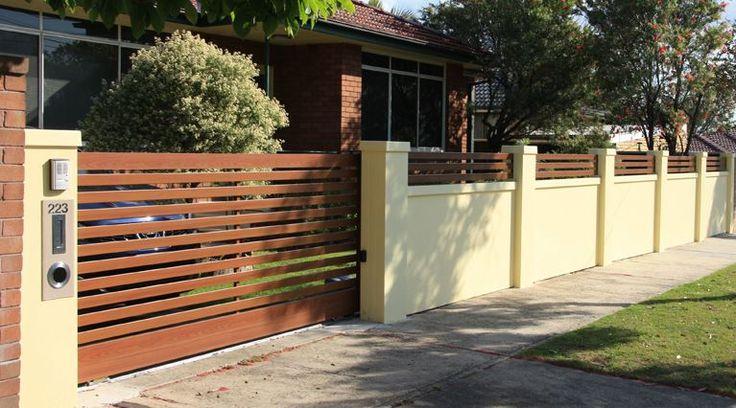
- Masonry lower walls with metal slats above
- Stone bases with laser-cut panels
- Concrete walls with wooden inserts
- Brickwork paired with vertical steel elements
This approach balances enclosure with visual lightness.
Integrate Landscaping Into Boundary Wall Design
Landscaping softens boundary walls and enhances privacy naturally.
Effective landscape strategies include:
- Planting hedge rows along the interior edge
- Installing vertical garden panels
- Using climbing plants on textured surfaces
- Adding planter boxes along wall bases
Greenery reduces visual hardness and improves environmental comfort.
Select Materials That Match the Home’s Architecture
Boundary walls should feel connected to the house rather than separate from it.
Material coordination can include:
- Matching stone textures used on exterior facades
- Repeating brick tones from structural walls
- Coordinating plaster finishes with building colors
- Aligning metal finishes with gate designs
Material consistency strengthens overall design unity.
Add Textured Finishes for Visual Depth
Flat surfaces can appear plain or heavy. Textured finishes introduce character without compromising privacy.
Popular texture techniques include:
- Rough stone cladding
- patterned concrete panels
- brick relief arrangements
- horizontal groove detailing
Texture improves both shadow play and visual richness.
Incorporate Modern Metal Panels for Contemporary Appeal
Metal elements introduce contrast and modern styling into boundary wall designs.
Common options include:
- Vertical steel slats
- Aluminum panels
- perforated metal sheets
- laser-cut decorative panels
Metal inserts maintain airflow while preserving privacy.
Use Lighting to Enhance Security and Style
Lighting improves nighttime visibility and highlights boundary wall textures.
Effective lighting placements include:
- Wall-mounted fixtures near entry gates
- recessed lighting along base edges
- accent lighting on textured panels
- uplighting near landscaping features
Lighting increases both safety and visual presence after dark.
Design Entry Gates That Complement the Boundary Wall
Entry gates act as focal points within boundary wall compositions.
Well-designed gates should:
- Match wall materials or finishes
- align with architectural style
- maintain proportional height relationships
- support privacy goals
Coordinated gate design strengthens the entire frontage.
Consider Horizontal and Vertical Pattern Effects
Pattern direction influences how boundary walls are visually perceived.
Horizontal detailing creates:
- a wider visual appearance
- stronger connection to landscape lines
- calmer visual rhythm
Vertical detailing creates:
- a taller appearance
- stronger security perception
- modern architectural character
Selecting the right orientation enhances exterior balance.
Improve Privacy With Layered Boundary Wall Strategies
Layered boundary walls combine structural barriers with natural screening elements.
Examples include:
- masonry walls paired with hedge planting
- stone walls combined with trellis panels
- concrete bases supporting wooden screens
Layering increases privacy without creating visual heaviness.
Use Color Strategically to Enhance Exterior Harmony
Color selection affects how boundary walls interact with surrounding architecture.
Recommended approaches include:
- matching wall colors with exterior facade tones
- using neutral shades for timeless appeal
- highlighting entry sections with accent finishes
- coordinating gate colors with window frames
Balanced color planning strengthens visual unity.
Incorporate Seating Into Boundary Wall Structures
Boundary walls can serve functional purposes beyond enclosure.
Integrated seating areas offer:
- convenient outdoor resting spaces
- opportunities for social interaction zones
- improved garden usability
- efficient use of perimeter space
Seating integration works especially well in courtyard-style layouts.
Add Decorative Niches for Visual Interest
Wall niches introduce architectural detail while supporting decorative display.
Common uses include:
- placing lantern-style lighting fixtures
- displaying sculptures
- installing planter accents
- highlighting entry pathways
Niches create rhythm across long wall surfaces.
Improve Durability With Weather-Resistant Materials
Boundary walls face continuous exposure to environmental conditions.
Durable material choices include:
- treated stone surfaces
- weather-resistant plaster coatings
- corrosion-protected metal panels
- sealed concrete finishes
Durability planning reduces long-term maintenance needs.
Use Sound-Reducing Materials Along Busy Streets
Boundary walls can also improve acoustic comfort.
Effective sound-reducing strategies include:
- thicker masonry construction
- textured surface finishes
- layered vegetation buffers
- staggered wall geometry
These features help reduce traffic noise penetration.
Maintain Visual Openness Along Front Boundaries
Front boundary walls often benefit from partial openness to preserve curb appeal.
Balanced front wall strategies include:
- combining solid bases with open rail sections
- lowering wall height near entry gates
- adding decorative panels instead of solid blocks
- integrating transparent metal designs
This approach keeps the property welcoming while maintaining privacy.
Coordinate Boundary Wall Design With Driveway Layouts
Driveway entrances influence boundary wall proportions and structure.
Effective coordination includes:
- aligning gate placement with driveway width
- ensuring turning clearance
- matching material finishes along entry paths
- maintaining consistent lighting placement
Proper alignment improves functionality and appearance.
Add Vertical Green Screens for Enhanced Privacy
Green screens provide additional privacy without increasing wall height.
Common options include:
- climbing vine structures
- trellis-mounted plants
- modular vertical garden panels
- layered shrub planting
These solutions soften boundaries naturally.
Plan Drainage Around Boundary Wall Foundations
Proper drainage prevents structural damage over time.
Important considerations include:
- sloped ground surfaces away from walls
- foundation waterproofing treatments
- drainage channels near retaining edges
- vegetation placement that avoids root pressure
Drainage planning supports long-term stability.
Avoid Overly Heavy Designs That Reduce Openness
While privacy is important, overly massive boundary walls can create a closed appearance.
Balance enclosure with visual comfort by:
- introducing patterned sections
- varying material textures
- integrating landscape elements
- adjusting height transitions across the frontage
Balanced design supports both protection and appeal.
Frequently Asked Questions
What is the ideal height for a residential boundary wall
The ideal height depends on location privacy needs and local building regulations but typically ranges between five and eight feet for effective enclosure.
Are boundary walls better than fences for privacy
Boundary walls generally provide stronger privacy protection and improved durability compared to standard fencing options.
Which materials require the least maintenance for boundary walls
Concrete stone and treated masonry surfaces typically require less maintenance than untreated wood or lightweight panel systems.
Can boundary walls increase property value
Yes well-designed boundary walls improve curb appeal security perception and privacy which can contribute positively to property value.
Should boundary walls match the house exterior exactly
They do not need to match exactly but coordinating materials colors and textures helps create stronger architectural unity.
How can lighting improve boundary wall effectiveness
Lighting improves nighttime visibility strengthens security perception and highlights textures that enhance exterior appearance.
Is landscaping necessary around boundary walls
Landscaping is not required but it greatly improves visual softness privacy layering and environmental comfort around perimeter edges.