How Slab Foundation Repair Fixes Settling and Uneven Foundations
A concrete slab may look solid and permanent, but the soil beneath it can change over time. Rainfall, dry weather, drainage patterns, and soil composition can all affect how well the ground supports your foundation. When one section of soil moves more than another, parts of the slab can begin to settle unevenly.
Slab foundation repair in Pflugerville can stabilize affected areas by addressing the support beneath the concrete instead of simply covering visible damage. Learning why settlement happens, what warning signs to watch for, and how repairs work can help you respond before foundation movement creates more serious problems.
Why Slab Foundations Settle Unevenly
Foundation settlement often begins in the soil below the concrete. Clay-rich soil is especially sensitive to changes in moisture. It can swell when it absorbs water and shrink when it dries. If those changes happen unevenly around the structure, different sections of the foundation may move at different rates.
The U.S. Department of Agriculture Natural Resources Conservation Service explains that expansive clay soils can shrink when they dry and swell when they become wet. These changes in soil volume can create movement beneath structures, especially in areas where these soil types are common. You can learn more about Vertisols from the USDA Natural Resources Conservation Service.
Soil preparation can also affect foundation performance. If fill soil beneath a slab was not properly compacted during construction, some sections may compress more than others. Over time, this can cause part of the slab to settle lower than surrounding areas.
Drainage also plays an important role. Water that repeatedly collects on one side of the structure can alter the moisture content of the supporting soil. Large moisture differences around the foundation may contribute to uneven movement.
Common Signs of Foundation Settlement
Foundation problems do not always appear as one major crack. In many cases, several smaller changes develop over time.
Cracks around doors and windows are common warning signs. You may also notice cracks across walls, flooring, or masonry. The location, direction, and size of a crack can provide useful information, but a crack alone does not always reveal the full cause.
Uneven floors are another sign worth watching. You might notice a slight slope while walking through a room or see flooring materials beginning to separate.
Doors and windows can provide additional clues. If they begin to stick or no longer fit their frames properly, the surrounding structure may have shifted. When these changes appear alongside sloping floors, widening cracks, or wall separations, a professional evaluation can help determine what is happening beneath the slab.
How Professionals Evaluate Foundation Settlement
Before slab foundation repair begins, a contractor needs to understand where movement has occurred and what may be causing it.
The evaluation usually starts with a visual inspection of the interior and exterior. The contractor may look at cracks, flooring, doors, windows, masonry, drainage conditions, and other visible signs.
Elevation measurements may also be taken. These measurements help identify areas of the slab that are higher or lower than surrounding sections. The pattern can provide valuable information about where settlement is concentrated.
Conditions around the foundation matter as well. A contractor may review grading, drainage, nearby vegetation, erosion, plumbing concerns, and soil conditions before recommending a repair method.
How Slab Foundation Repair Adds Support
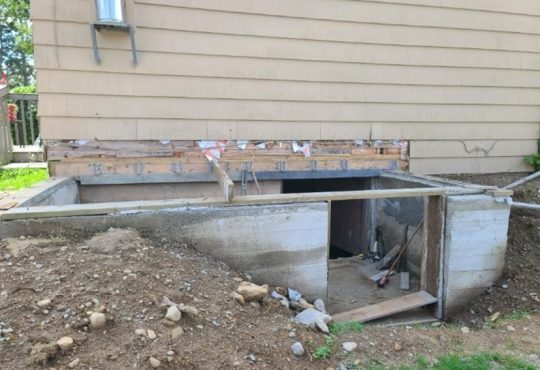
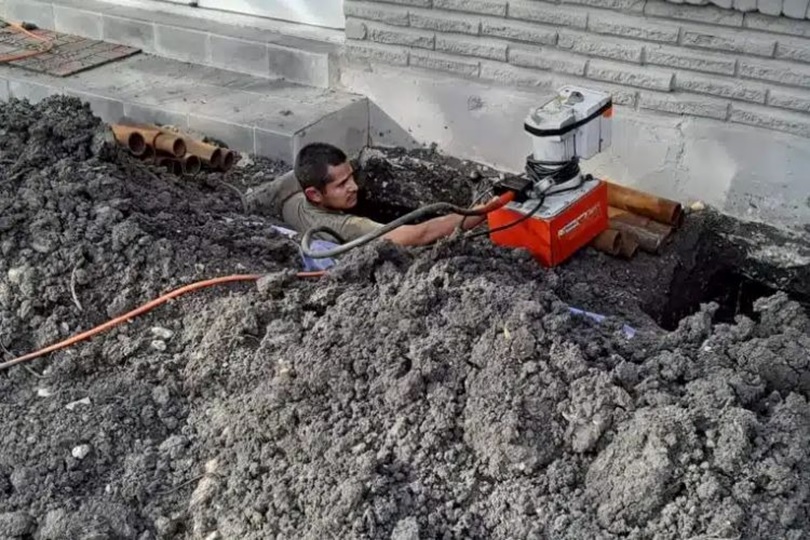
The proper repair method depends on the structure, soil conditions, and amount of movement. One common approach involves installing piers beneath areas that need additional support.
Piers are designed to transfer structural loads to stronger supporting material below unstable surface soil. Once the system is installed, the affected portion of the foundation can be stabilized.
Some projects may also involve controlled lifting. This process can carefully raise certain areas after additional support has been installed.
Slab foundation repair does not always mean making every floor perfectly level. The repair plan should focus on structural stability and correcting areas where support has weakened.
A qualified contractor should explain what repair method is being recommended, why it fits the situation, and what you can expect after the work is complete.
Why Stabilization Is Important
Foundation settlement does not correct itself. When part of the slab loses proper support, continued movement can place added stress on walls, floors, framing, and other connected parts of the structure.
Slab foundation repair can provide additional support beneath affected areas and help stabilize sections that have settled.
This is also why cosmetic repairs should usually follow the evaluation of the structural problem. Patching drywall cracks or replacing damaged flooring may improve appearance, but those repairs will not correct movement beneath the slab.
Addressing the structural cause first gives you a stronger foundation for repairing cosmetic damage afterward.
What to Watch After Foundation Repairs
Even after repairs are completed, conditions around the structure should still be monitored.
Pay attention to areas where rainwater collects near the slab. Gutters, downspouts, grading, and drainage paths should direct water away from the foundation instead of allowing it to pool beside the structure.
Plumbing problems should also receive attention. A leak beneath or near a slab can change surrounding soil conditions and contribute to movement.
Continue watching existing cracks, floors, doors, and windows. If you notice significant new changes, document them and contact a qualified professional for another evaluation.
Choosing the Right Repair Approach
A good repair plan should be based on actual conditions rather than assumptions.
Ask what appears to be causing the movement and which areas of the foundation are affected. Find out how elevation measurements were interpreted and why a particular repair method is being recommended.
You should also understand what the proposed repair is expected to stabilize. Clear explanations can help you compare recommendations and make a more informed decision.
Professional slab foundation repair should focus on correcting structural support problems beneath the concrete rather than simply hiding the visible symptoms above it.
Conclusion
Uneven foundation settlement often begins with changes in the soil beneath a concrete slab. Expansive clay, drainage problems, poor compaction, erosion, plumbing leaks, and other conditions can affect how evenly the structure is supported.
Signs such as cracks, sloping floors, sticking doors, and wall separations can indicate that movement has occurred. Identifying these changes early gives you a chance to investigate the cause before the problem becomes more complicated.
Slab foundation repair can add support where settlement has occurred and stabilize affected sections of the foundation. A careful inspection and a repair plan based on actual conditions can help you understand what needs attention and why.
If you have noticed cracks, uneven floors, sticking doors, or other signs of foundation movement, contact Pro Foundation Repair Pflugerville to schedule an evaluation and learn which repair options may be appropriate for your foundation.