How Does Basement Leak Repair Fix Water Seeping Through Basement Walls?
Water seeping through basement walls can begin with something as minor as a dark stain or damp patch after heavy rain. Over time, the same area may become noticeably wet, and water may even reach the basement floor. These signs can point to cracks, drainage problems, groundwater pressure, or openings around the foundation.
Effective basement leak repair in Florissant starts with finding where the water is entering and understanding what is directing it toward the basement. Simply drying the wall or covering the stain does not address the source. By identifying the cause, you can choose a repair method that addresses the conditions behind the leak and reduces the chance of repeated water intrusion.
Why Water Can Seep Through Basement Walls
Basement walls sit below ground level, which places them in regular contact with soil. During heavy or repeated rainfall, that soil can absorb a large amount of water. Once the ground becomes saturated, water may begin pressing against your foundation walls.
Several conditions can create an opening for that water to enter. Small cracks in concrete, gaps around pipes, wall joints, damaged waterproofing materials, and porous masonry can all become pathways.
Drainage around your foundation also plays an important role. If gutters overflow, downspouts release water too close to the building, or the ground slopes toward the foundation, more water may collect next to basement walls.
Knowing which condition is causing the problem helps determine what type of basement leak repair may be appropriate.
How Water Pressure Affects Basement Walls
Water in saturated soil creates pressure against foundation walls. This is commonly called hydrostatic pressure.
Think of the soil surrounding your basement as a container that gradually fills during periods of rain. As more water collects, pressure increases against the concrete or masonry. Water then searches for places where it can move through.
Cracks, wall joints, and small openings provide easier paths. Even a narrow crack that appears dry most of the year may leak once the surrounding soil becomes saturated.
This is one reason basement seepage often appears during major storms or after several rainy days. The leak may seem sudden, but the conditions allowing water inside may have been developing for much longer.
Finding the Actual Source of the Leak
Before repairs begin, you need to identify the source of the water. The wettest part of the wall does not always show exactly where water entered.
Water can travel through cracks or along building materials before appearing inside your basement. An inspection may include checking wall stains, cracks, floor joints, pipe openings, drainage systems, gutters, and exterior grading.
It also helps to look at when the water appears. A leak that develops only after heavy rain may point toward exterior drainage or groundwater pressure. Constant dampness could indicate a different water source.
Taking photos after rainfall can make patterns easier to identify. Marking where water first appears can also provide useful information during the inspection.
Repairing Cracks and Foundation Openings
Cracks are one of the most common places where basement seepage becomes visible. Depending on the crack’s location and condition, repair materials may be used to close the opening and limit water movement.
However, sealing the visible crack is only part of the process.
If large amounts of water continue collecting outside the wall, pressure remains against the foundation. Water may eventually find another weak point. Effective basement leak repair considers the opening itself as well as the conditions that caused water to reach it.
Cracks that become wider, repeatedly leak, or appear alongside changes in walls or floors deserve closer attention. These signs can help determine if additional foundation evaluation is needed.
Improving Drainage Around the Foundation
Managing water outside your basement can make a major difference in how much water reaches the foundation.
Start by looking at your gutters and downspouts. Gutters should move roof runoff efficiently, while downspouts should release water far enough away that it does not immediately collect beside basement walls.
The ground around your foundation should also direct water away from the building. Low spots close to basement walls can hold water during storms and increase pressure against the foundation.
Drainage systems may also need attention if water regularly collects around your basement. Keeping water moving away from the structure reduces how much can reach cracks and porous materials.
The U.S. Environmental Protection Agency provides additional information on controlling moisture in your home, including guidance on leaks and basement seepage.
Interior and Exterior Repair Methods
Different basement leaks require different approaches.
Interior systems may help collect water that reaches the foundation and direct it toward a drainage system or sump pump. Crack treatments may also be done from inside the basement, depending on the wall material and the location of the opening.
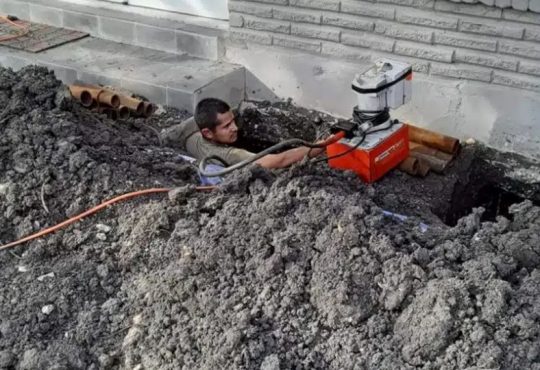
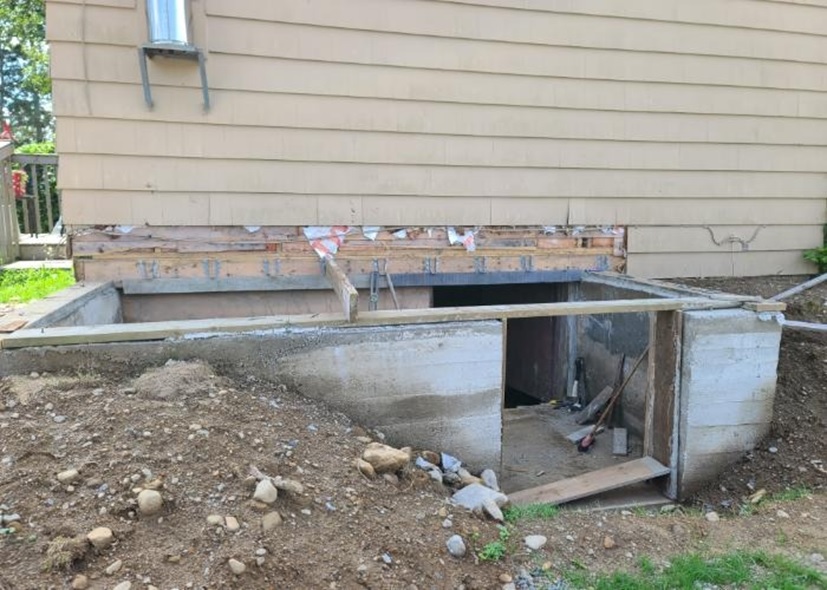
Exterior methods focus more heavily on stopping water before it passes through foundation walls. This may involve improving drainage, repairing exterior foundation surfaces, or applying waterproofing materials.
Sometimes basement leak repair involves more than one method. The right approach depends on factors such as foundation construction, soil conditions, drainage, water pressure, and the leak’s location.
That is why identifying the source matters before choosing a repair.
Why Repeated Basement Leaks Need Attention
If water keeps returning to the same area, the underlying source remains active. Drying the floor, applying paint, or covering a stain may improve the appearance temporarily, but water is still finding a way inside.
Repeated leaks can also spread damp conditions to nearby materials. Paying attention to changes after rainfall can help you spot patterns before the affected area grows.
You do not need to diagnose every detail yourself. Your role is simply to notice what is happening, document it when possible, and seek an evaluation when water repeatedly enters the basement.
Conclusion
Water seeping through basement walls usually points to a combination of water pressure, drainage conditions, cracks, or openings in the foundation. Successful basement leak repair begins with identifying the source and then matching the repair approach to the conditions causing the leak.
If you are seeing damp walls, water stains, or active seepage in your basement, Florissant Foundation Repair Pros can inspect the problem and discuss practical repair options for your foundation. Contact our team to schedule an evaluation and take the next step toward keeping unwanted water out of your basement.