How Weather Conditions Can Affect Slate Roofing
A slate roof can last for many decades, but its strength does not make it immune to weather damage. Wind, rain, snow, ice, temperature shifts, and falling debris can place pressure on individual tiles, fasteners, flashing, gutters, and the roof structure beneath them. Understanding these risks can help you spot early warning signs before a small repair grows into a larger project.
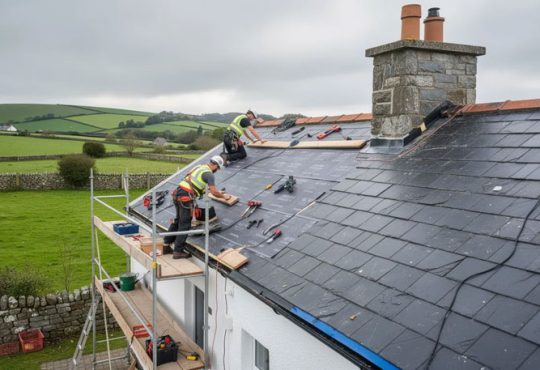
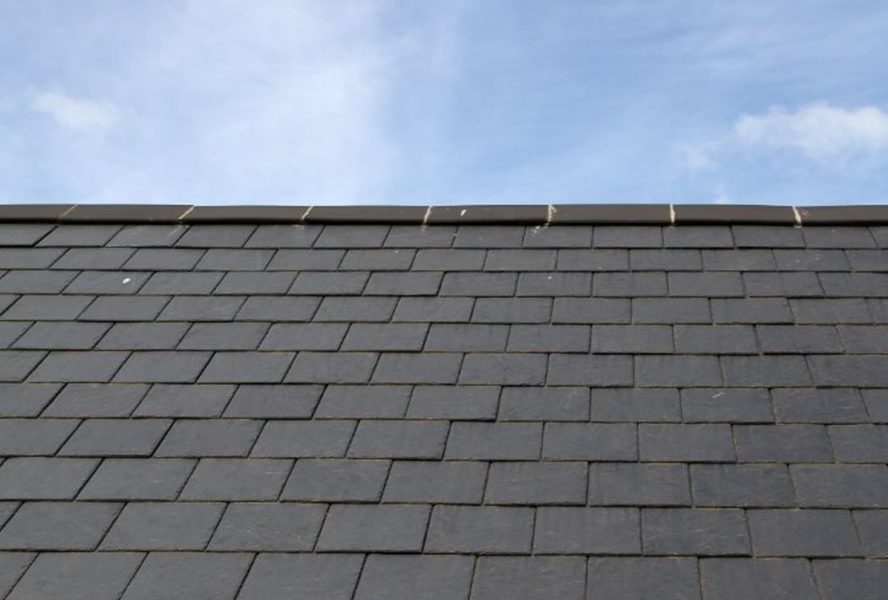
Slate roofing companies in Pawtucket, RI perform well in many climates because natural slate is dense, durable, and water-resistant. However, the roof works as a complete system. A strong slate tile can still become loose when a fastener corrodes, flashing separates, or the supporting material beneath the tile begins to weaken.
This article will explain how different weather conditions affect a slate roof, which warning signs deserve attention, and how routine inspections can help protect the roof through changing seasons.
How Wind Tests Slate Roofing
Pressure Can Loosen Individual Tiles
Strong winds create pressure above and below the roof surface. When wind reaches the edge of a loose or damaged tile, it may lift the slate or pull it away from its fastener. Tiles near roof edges, ridges, valleys, and corners may face greater exposure because wind moves forcefully around these areas.
The National Weather Service explains that strong winds can damage roofs and that proper maintenance helps roofing materials resist wind damage. Readers can review the agency’s wind hazard and preparation guidance for more information about severe wind conditions.
Flying Debris Can Crack Slate
Branches, outdoor furniture, and other windblown objects can strike the roof during a storm. Slate is strong under normal conditions, but a direct impact may crack or split a tile. Damage may not always be visible from the ground, especially when the affected tile is located near a valley or chimney.
Heavy Rain Can Reveal Weak Areas
Water May Enter Through Small Openings
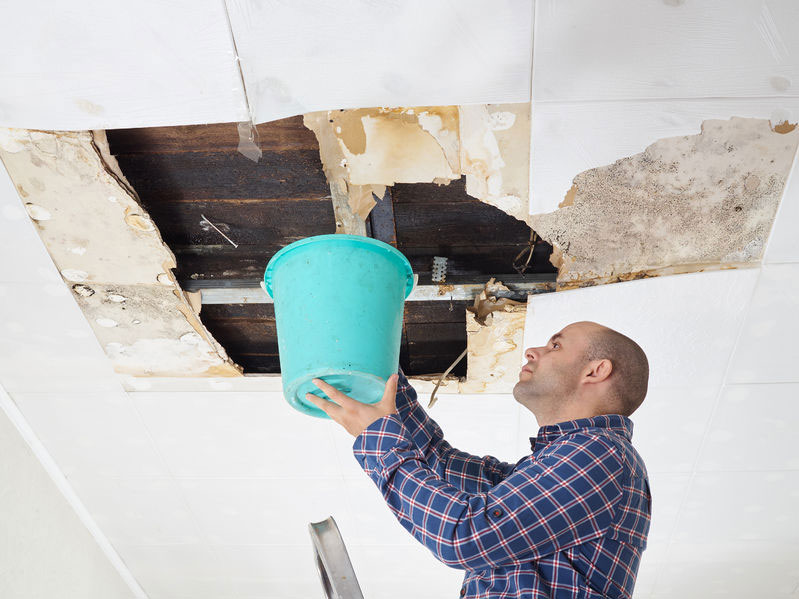
Slate tiles shed rainwater effectively when properly aligned and secured. Problems can develop when tiles crack, slip, or leave small gaps. Rain may then reach the underlayment, roof deck, insulation, or ceiling below.
Water stains do not always appear directly beneath the damaged tile. Water may travel along rafters, nails, or sheathing before becoming visible indoors. This can make professional inspection important when the source of a leak is unclear.
Flashing Often Needs Close Attention
Flashing protects roof joints around chimneys, skylights, vents, valleys, and walls. Heavy rain can expose gaps caused by aging metal, failed sealant, corrosion, or movement between materials.
A roof inspection should examine the slate and the surrounding flashing. Replacing a damaged tile without correcting nearby flashing may leave the actual source of the leak untouched.
Snow Adds Weight and Traps Water
Accumulation Places Stress on the Roof
Slate is already heavier than many common roofing materials. Snow and ice add more weight, especially when several storms occur before earlier accumulation melts.
The roof structure must carry the combined load. Sagging areas, unusual cracking sounds, or visible changes in the roofline should be evaluated promptly rather than watched for another season.
Uneven Melting Can Create Trouble
Sun exposure, attic heat, and roof direction can cause snow to melt unevenly. Water may run beneath remaining snow and refreeze near colder roof edges.
Keeping gutters clear and checking attic ventilation can support better drainage. However, snow and ice removal from a slate roof should be handled carefully because walking on the tiles or using sharp tools can cause breakage.
How Ice and Cold Reach Slate Roofing
Ice Dams Can Push Water Beneath Tiles
An ice dam forms when melting snow reaches a cold roof edge and freezes. More water collects behind the frozen area, creating a path beneath tiles or flashing.
Interior stains, damp insulation, peeling paint, and water near exterior walls may point to an ice dam problem. Addressing insulation, ventilation, and air leaks can reduce the conditions that contribute to repeated ice buildup.
Cold Temperatures Can Affect Metal Parts
Slate itself handles cold weather well, but the roof includes metal fasteners, flashing, gutters, and snow guards. These parts expand and contract as temperatures change.
Repeated movement can loosen connections or widen existing openings. Older fasteners may also corrode, allowing tiles to slip even when the slate remains in good condition.
Temperature Changes Create Gradual Movement
Rapid Shifts Affect Roof Materials Differently
Slate, wood, metal, and sealants respond to heat and cold at different rates. A warm afternoon followed by a freezing night can create movement between materials.
One temperature change may cause little harm. Repeated seasonal cycles can slowly weaken flashing joints, sealants, fasteners, and surrounding roof components.
Summer Heat Can Expose Ventilation Problems
Slate does not absorb heat the same way some lightweight roofing products do, but the attic below can still become extremely warm. Poor ventilation may trap heat and place extra strain on the roof deck and nearby materials.
Balanced attic ventilation can help control heat and support more stable conditions beneath the roof. It may also reduce uneven winter melting that contributes to ice dams.
Hail and Falling Branches Can Cause Sudden Damage
Impact Damage May Be Easy to Miss
Hail can chip slate edges, create hairline cracks, or damage flashing. A cracked tile may remain in place after the storm, making the roof appear normal from the ground.
The National Weather Service advises checking for roof damage after severe hail or wind once conditions are safe. A professional inspection can identify hidden fractures without requiring you to climb onto the roof.
Nearby Trees Should Be Monitored
Weak, dead, or overhanging branches can strike the roof during wind, snow, or thunderstorms. Regular tree care can reduce this risk while also keeping leaves and twigs from blocking valleys and gutters.
Branches should not be removed from the roof by pulling or dragging them across the slate. Even a small limb can scratch, loosen, or break several tiles during removal.
Coastal Weather Can Accelerate Wear
Salt Air Can Affect Metal Components
In coastal regions, airborne salt may accelerate corrosion on certain fasteners, flashing, gutters, and roof accessories. The slate may remain sound while nearby metal parts begin to weaken.
Inspections should look for rust, staining, loose flashing, and slipped tiles. Compatible replacement materials can help reduce repeated corrosion problems.
Wind-Driven Rain Finds Small Gaps
Coastal storms often combine strong wind with heavy rain. Wind can force water into openings that may stay dry during ordinary rainfall.
Roof edges, valleys, flashing joints, and penetrations deserve careful attention after major storms. Interior attic checks may also reveal damp wood or insulation before water reaches a finished ceiling.
Smart Inspection and Maintenance Steps
Inspect After Major Weather Events
Schedule an inspection after severe wind, hail, heavy snow, falling branches, or a known leak. You should also look from the ground for missing tiles, uneven rows, debris, damaged gutters, or pieces of slate near the building.
Avoid walking across slate roofing. Slate tiles can crack under concentrated pressure, and roof work presents a serious fall risk.
Address Small Problems Promptly
A slipped tile, a damaged flashing joint, or a clogged valley may appear minor, but the weather can continue to push water into the opening. Timely repair helps protect the roof deck and interior materials from added damage.
Repairs should match the existing slate in size, thickness, and appearance whenever possible. Proper fastening methods also matter because unsuitable nails or rushed installation can create fresh problems.
Keep Records of Roof Work
Maintain notes on inspections, repairs, storms, leaks, and materials replaced. Photos can help track changes over time and provide useful information when future work is needed.
Clear records also make it easier to explain when a problem began and which roof sections received prior attention.
Conclusion
Weather affects every part of a slate roof, from the visible tiles to the fasteners and flashing beneath them. Wind can loosen tiles, rain can expose gaps, snow can add weight, ice can trap water, and impact from hail or branches can create hidden cracks.
Regular inspections and timely repairs can help slate roofing continue performing through seasonal changes. By watching for warning signs and using official weather guidance, you can make informed decisions without climbing onto the roof or guessing about damage.
For professional inspections, maintenance, and repair support, contact The Pawtucket Roofers. Our team can examine your roof, explain what we find, and recommend practical work based on its current condition.