A Complete Guide to Sewer Line Repair for Homeowners and Property Managers
Sewer system issues can disrupt daily routines, damage property, and create serious health hazards when not addressed promptly. Whether you manage residential properties or oversee a commercial building, understanding how sewer line repair works helps you take fast, informed action when problems arise. Many homeowners search for sewer line repair near me when emergencies occur, but knowing what to look for, how repairs work, and the options available can save time, money, and stress. This guide walks you through the essential information every property owner or manager should know.
Understanding How Your Sewer Line Works
Your sewer line is a critical but often overlooked part of your plumbing system. It connects the drains in your home or building to the municipal sewer system or a septic tank. When the sewer line functions correctly, wastewater flows away seamlessly. When something goes wrong, however, the entire property can be affected.
Common Causes of Sewer Line Issues
Several factors can lead to the need for sewer line repair. Some of the most common include:
Tree Root Intrusion
Tree roots naturally seek moisture, and your underground sewer line provides the perfect source. Even small cracks can attract roots, which then grow and expand inside the pipe, causing blockages or full collapses.
Aging or Deteriorated Pipes
Older properties often rely on clay, cast iron, or other materials that corrode or weaken over time. Deterioration can lead to leaks, blockages, and the need for major repairs.
Ground Shifting or Soil Movement
Seasonal changes, heavy construction, and soil erosion can all shift the ground around your sewer line. Even slight changes can create misalignment or breaks in the pipe.
Grease and Debris Buildup
Flushing items like wipes, grease, food scraps, or hygiene products can cause buildup inside the sewer line. Over time, these materials harden and cause significant blockages.
Poor Initial Installation
If the sewer line was installed incorrectly, issues can appear much sooner than expected. Poor slope, low quality materials, or improper connections can all cause premature failures.
Understanding the cause of the problem helps determine the best sewer line repair method and prevents future issues.
Warning Signs That You Need Sewer Line Repair
Sewer problems often start small before becoming major emergencies. Recognizing early signs helps prevent severe damage. Here are the most common indicators:
Slow or Gurgling Drains
If multiple drains in the building slow down at the same time, the problem is likely deeper in the sewer line rather than isolated to one fixture.
Sewage Odor Indoors or Outdoors
Unpleasant smells near drains, in the yard, or around the basement can signal leaks or blockages in the main sewer line.
Frequent Backups
If you repeatedly find yourself calling for drain clearing, the underlying sewer line may be damaged or obstructed.
Soggy or Sunken Areas in the Yard
Unusual wet spots or depressions in the soil can indicate an underground leak where wastewater is escaping.
Sudden Pest Activity
Rats, insects, and other pests are often attracted to damaged sewer lines. A spike in activity may point to a hidden leak.
If you notice any of these symptoms, searching for sewer line repair near me is usually the next step. Quick action can prevent contamination, structural issues, and costly restoration work.
Types of Sewer Line Repair Methods
Modern technology has transformed how plumbers handle sewer line repair, offering both traditional and trenchless solutions. The right approach depends on the damage, pipe material, property layout, and budget.
Traditional Excavation
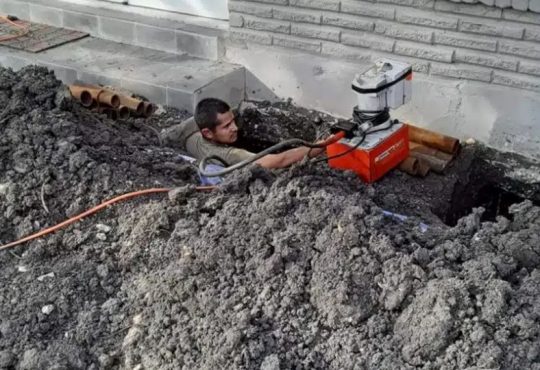
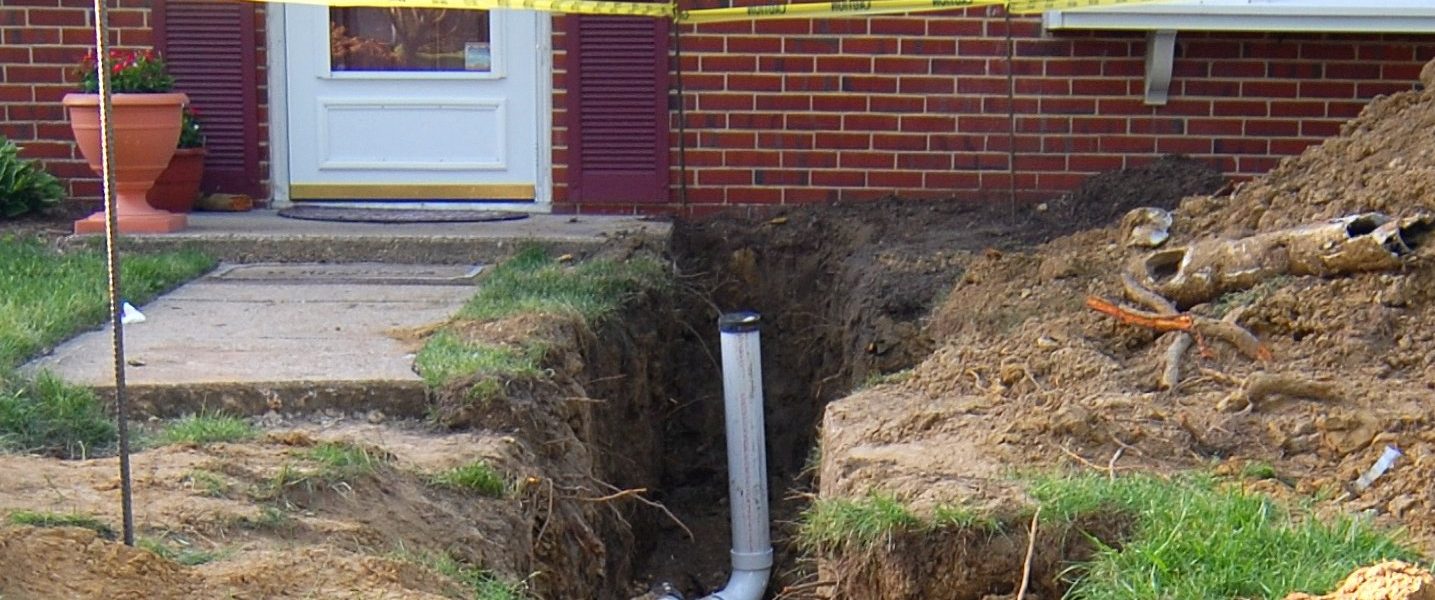
This method involves digging into the soil to expose and replace the damaged section of the pipe. Although effective, it requires substantial labor and can disrupt landscaping, sidewalks, or driveways.
Traditional excavation is commonly used when:
- The pipe is severely damaged or collapsed
- Tree root intrusion has caused major structural issues
- Older pipes need complete replacement
Trenchless Sewer Line Repair
Trenchless technology allows for sewer line repair without heavy excavation. Property managers and homeowners prefer this method because it minimizes disruption and preserves landscaping.
There are two main trenchless techniques:
Pipe Lining
A flexible liner coated with resin is inserted into the existing pipe. Once hardened, it forms a new pipe inside the old one, sealing cracks and restoring flow.
Pipe lining is ideal for:
- Minor to moderate cracks
- Leaks or corrosion
- Extending the lifespan of older pipes
Pipe Bursting
This technique breaks apart the old pipe while simultaneously pulling a new pipe into place. It is used when the existing pipe is too damaged for relining.
Pipe bursting suits situations where:
- The pipe is extensively deteriorated
- Tree root damage is severe
- Larger-diameter pipes are required
Both trenchless methods are faster than traditional excavation and often more cost-effective in the long run.
How Contractors Diagnose Sewer Line Problems
Professionals use several tools to diagnose sewer line repair needs accurately. Understanding these steps helps property owners feel more confident during the inspection process.
Video Camera Inspection
A waterproof camera is inserted into the sewer line to identify blockages, cracks, root intrusion, and other damage. This method provides a detailed view, helping determine the best repair approach.
Locating Equipment
Electronic locators help pinpoint the exact location and depth of the sewer line and any problem areas. This reduces unnecessary digging and speeds up the repair process.
Hydro Jetting
Before repairs, the sewer line may be cleared using high pressure water jetting. This removes debris and buildup so technicians can get a clear view of the pipeline’s condition.
Accurate diagnosis ensures that the sewer line repair is not only effective but long lasting.
Preventing Future Sewer Line Issues
Preventive maintenance can save property owners and managers from unexpected and costly repairs. Here are key ways to minimize future sewer line problems:
Schedule Regular Inspections
Routine camera inspections help detect early signs of trouble before they become major issues.
Avoid Flushing Harmful Items
Only flush toilet paper and wastewater. Avoid sending grease, wipes, diapers, or debris into the drains.
Manage Landscaping Wisely
Plant trees and shrubs away from the sewer line path to prevent root intrusion.
Invest in Professional Cleaning
Periodic hydro jetting keeps the system clear and prolongs the lifespan of the pipe.
Address Minor Issues Promptly
Delaying repairs can turn small cracks or leaks into major structural failures.
Many homeowners search for sewer line repair near me the moment an issue arises, but establishing a proactive maintenance schedule helps keep problems to a minimum.
Choosing the Right Professional for the Job
Selecting the right service provider is essential for ensuring reliable and long lasting results. Here are important factors to consider:
Licensing and Certification
Make sure the contractor is fully licensed to perform sewer work in your area.
Experience with Sewer Line Repair
Choose a professional with proven expertise in both traditional and trenchless repair options.
Up to Date Technology
Contractors who use video inspections, hydro jetting, and trenchless tools are better equipped for efficient repairs.
Transparent Pricing
A reputable professional provides clear estimates and explains the work needed before beginning repairs.
Good Reviews and Local Presence
Searching for sewer line repair near me will often reveal highly rated professionals who know your local soil conditions, building codes, and plumbing challenges.
Sewer problems can be overwhelming, but understanding the signs, repair options, and preventive steps makes the process far more manageable. Whether you are a homeowner experiencing unexpected backups or a property manager responsible for multiple buildings, knowing how sewer line repair works allows you to act quickly and protect your property. By staying vigilant, scheduling regular maintenance, and working with skilled professionals, you can ensure your sewer system remains safe, functional, and efficient for years to come.