How the Right Well Pump Supplier Can Help You Select the Perfect Pressure Tank
When it comes to ensuring a reliable water supply for your home, farm, or business, the relationship between a well pump and a pressure tank is critical. These two components work hand in hand to maintain consistent water pressure, prevent pump overuse, and provide long-lasting performance. But selecting the right equipment can be overwhelming if you’re unfamiliar with the technical details. That’s where well pump suppliers play a vital role.
Experienced suppliers do more than just sell equipment—they guide you through the process of choosing the perfect combination of well pump and pressure tank that fits your needs, budget, and long-term efficiency goals. In this article, we’ll explore why the right supplier makes all the difference, what factors to consider when selecting a pressure tank, and how expert advice can save you time, money, and frustration.
Why the Well Pump and Pressure Tank Relationship Matters
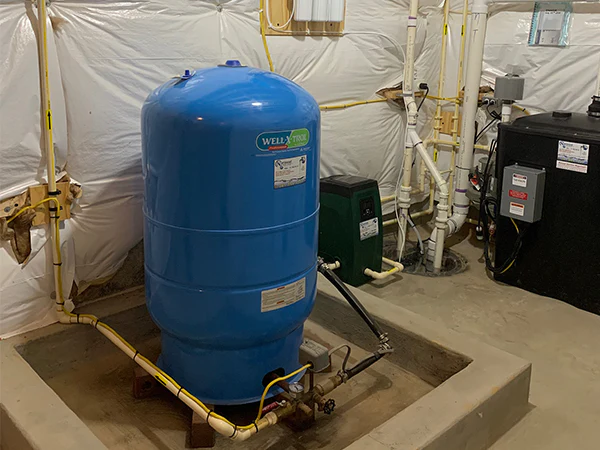
A well pump is responsible for drawing water from underground, while the pressure tank stores and regulates the water flow into your plumbing system. Without a properly sized tank, the pump would turn on and off too frequently, leading to premature wear and higher energy costs.
The pressure tank essentially acts as a buffer, maintaining steady water pressure and protecting the pump from constant cycling. This means that choosing the right tank size and type is not just a matter of convenience—it’s about extending the life of your entire water system.
The Role of Well Pump Suppliers in the Selection Process
Not all homeowners or property managers are familiar with the technicalities of water systems. That’s where trusted well pump suppliers come in. Instead of guessing or risking an improper setup, suppliers provide:
- Expert guidance on tank sizing, pump capacity, and water demand.
- Recommendations tailored to specific needs—whether residential, agricultural, or commercial.
- Long-term solutions that balance performance and cost-effectiveness.
A good supplier functions as both a consultant and a source of reliable equipment, ensuring that your well pump and pressure tank work together seamlessly.
Key Factors in Choosing the Perfect Pressure Tank
When working with a supplier, several important factors come into play in selecting the right pressure tank:
- Tank Size and Capacity
The size of the pressure tank determines how much water is available before the pump needs to turn on again. A properly sized tank reduces wear on the pump by minimizing frequent cycling. Suppliers can calculate the ideal size based on your household or business water usage.
- Water Demand Analysis
Different properties have varying water demands. A family home, for example, has different requirements than a farm with irrigation needs. By assessing daily and peak water usage, suppliers help match your well pump and pressure tank to real-life demands.
- Pump Compatibility
Not every pressure tank works well with every pump. Suppliers ensure the tank you select is compatible with your pump’s flow rate and horsepower, preventing performance issues.
- Pressure Settings
Pressure tanks come with preset or adjustable ranges. Suppliers help identify the right pressure settings to ensure steady flow throughout your property.
- Durability and Material Quality
A pressure tank is a long-term investment. The right supplier will guide you toward tanks made from high-quality materials that resist corrosion, provide longevity, and require minimal maintenance.
Common Mistakes to Avoid Without Supplier Guidance
Choosing a pressure tank without expert help can lead to costly mistakes. Some common errors include:
- Under-sizing the tank, which causes the pump to cycle too often.
- Oversizing unnecessarily, leading to wasted space and expense.
- Ignoring pump compatibility results in poor performance or mechanical issues.
- Overlooking local water conditions, such as hard water or iron content, which may require specialized tanks.
Working with experienced well pump suppliers helps avoid these pitfalls by ensuring every factor is accounted for.
How Well Pump Suppliers Add Value Beyond the Sale
A reliable supplier does more than hand over equipment. Their services often include:
- Installation guidance: Many provide support or referrals to professional installers.
- Maintenance tips: Suppliers educate clients on how to care for their systems.
- Troubleshooting support: If problems arise, they can diagnose issues quickly.
- Future-proofing: They anticipate future needs, such as property expansions, ensuring the system won’t become outdated.
This holistic approach ensures that your investment in a well pump and pressure tank delivers maximum value over the long run.
The Importance of Local Knowledge
Local suppliers often bring an added layer of expertise. They understand regional water conditions, soil types, and common challenges that affect pump and tank performance. For example, areas with hard water may need tanks equipped with specific liners, while regions with fluctuating water tables require pumps and tanks designed for variable conditions.
Choosing local well pump suppliers gives you the advantage of specialized knowledge tailored to your environment.
Long-Term Benefits of Choosing the Right Supplier
When you partner with the right supplier, the benefits extend far beyond the initial purchase. Some long-term advantages include:
- Lower maintenance costs due to properly sized and installed systems.
- Improved energy efficiency, since the pump doesn’t cycle excessively.
- Extended equipment lifespan, reducing the frequency of replacements.
- Consistent water pressure, improving everyday comfort and usability.
Ultimately, the expertise of a trusted supplier pays for itself through reduced headaches and improved system reliability.
Questions to Ask Your Supplier Before Choosing a Pressure Tank
To make the most of your supplier relationship, consider asking these questions:
- How do you calculate the correct tank size for my property?
- What are the compatibility requirements between my well pump and pressure tank?
- Do you offer ongoing support or maintenance services?
- What materials or construction methods make this tank more durable?
- How will this setup affect my energy costs and long-term savings?
Asking the right questions ensures you walk away with not just a product, but a complete solution.
Selecting the perfect pressure tank isn’t just about picking a piece of equipment—it’s about ensuring your water system runs smoothly, efficiently, and for years to come. While the process can seem overwhelming, the right well pump suppliers simplify every step. From analyzing your water demand to recommending compatible systems and offering ongoing support, suppliers act as essential partners in your water management journey.
By relying on their expertise, you’ll avoid costly mistakes, enjoy reliable performance, and maximize the lifespan of your well pump and pressure tank. In the end, investing time in finding the right supplier is just as important as investing in the equipment itself.