Open Shelf Styling That Enhances Kitchen Character
Open shelving has become a defining feature in many contemporary kitchens. Beyond simple storage, open shelves offer an opportunity to express personality, improve accessibility, and create visual rhythm across the kitchen wall. When styled thoughtfully, they transform everyday items into design elements that strengthen the overall character of the space.
Unlike closed cabinetry, open shelving invites intentional arrangement. Each object contributes to the story the kitchen tells. With the right styling approach, open shelves can balance practicality with visual warmth while supporting efficient daily routines.
This guide explores proven strategies for styling open kitchen shelves in ways that improve both function and atmosphere.
Understand the Role of Open Shelves in Kitchen Design
Open shelves serve both aesthetic and practical purposes. They reduce visual heaviness, introduce flexibility, and encourage curated organization.
Key benefits include:
- Improving accessibility to frequently used items
- Creating opportunities for decorative expression
- Making small kitchens feel more open
- Supporting layered visual composition
- Connecting kitchen design with surrounding living spaces
When used correctly, open shelving becomes a strong architectural feature rather than a temporary trend.
Start With a Clear Styling Plan Before Placing Objects
Successful open shelf styling begins with intention. Random placement often leads to clutter rather than character.
Consider these planning steps:
- Identify which items will be used daily
- Choose a consistent color palette
- Select a mix of functional and decorative pieces
- Maintain visual spacing between objects
Planning first helps shelves remain organized and visually balanced.
Combine Function and Decoration for Practical Beauty
Open shelves work best when they serve both everyday needs and visual goals.
Functional items suitable for display include:
- Plates
- bowls
- mugs
- glassware
- spice jars
- cooking oils
Decorative additions can include:
- small plants
- ceramic vessels
- framed prints
- woven baskets
Combining both types of objects ensures shelves remain useful without appearing staged.
Use a Consistent Color Palette to Create Cohesion
Color coordination helps open shelves feel intentional rather than crowded.
Effective strategies include:
- choosing neutral dishware tones
- repeating accent colors across accessories
- matching containers with cabinet finishes
- coordinating shelf materials with countertops
A cohesive palette strengthens the kitchen’s visual flow.
Balance Vertical and Horizontal Arrangements
Shelf styling improves when objects vary in orientation.
Vertical elements may include:
- tall jars
- vases
- cutting boards
- bottles
Horizontal elements may include:
- stacked plates
- folded linens
- trays
- books
Combining both orientations creates visual movement.
Layer Objects to Add Depth and Dimension
Layering prevents shelves from looking flat.
Simple layering techniques include:
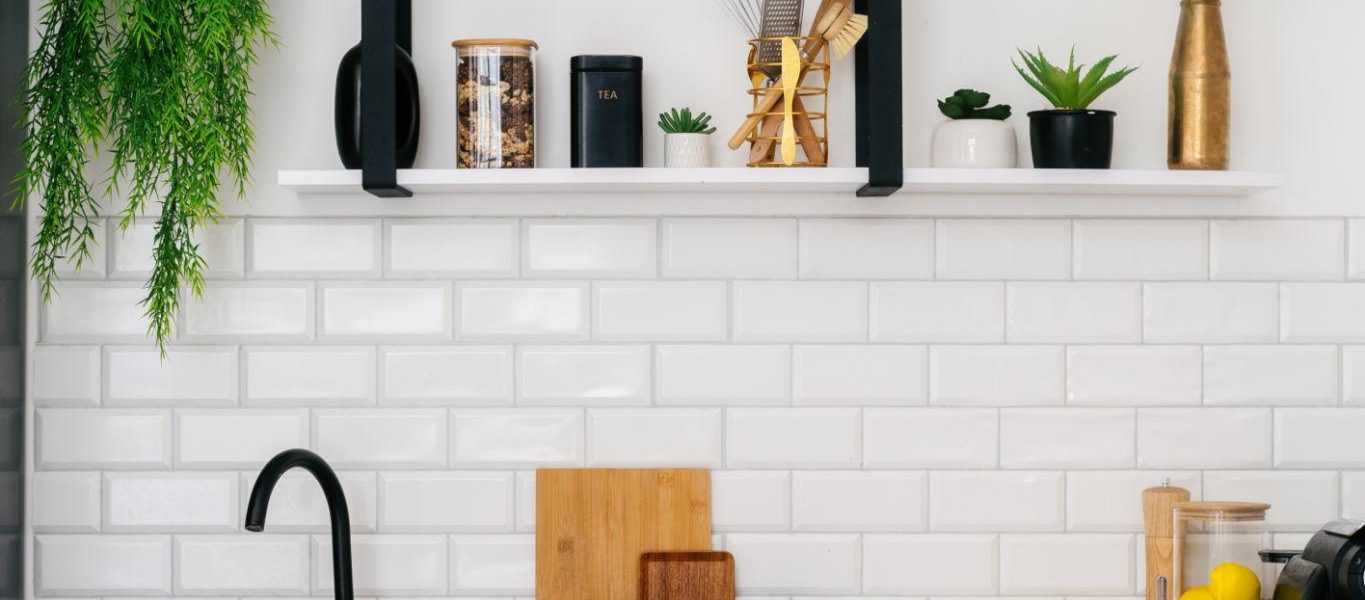
- leaning cutting boards behind smaller objects
- placing framed artwork behind jars
- stacking bowls beneath decorative pieces
- positioning taller items toward the back
These arrangements create depth without increasing clutter.
Incorporate Natural Materials for Warmth
Natural textures soften the appearance of kitchen walls.
Effective materials include:
- wood
- stone
- ceramic
- linen
- woven fibers
These materials introduce comfort and contrast against harder kitchen surfaces.
Use Plants to Bring Life to Open Shelving
Greenery improves both atmosphere and balance.
Ideal plant choices include:
- herbs
- trailing plants
- compact potted greenery
- small succulents
Plants introduce color variation and soften structured arrangements.
Maintain Practical Accessibility for Everyday Items
Open shelves should remain functional.
Helpful accessibility strategies include:
- placing frequently used dishes at lower levels
- storing spices near cooking zones
- grouping similar items together
- keeping heavy objects within easy reach
Accessibility supports efficient kitchen routines.
Avoid Overcrowding the Shelf Surface
Spacing plays a major role in shelf styling success.
To maintain clarity:
- leave small open gaps between objects
- avoid filling every shelf completely
- rotate seasonal items periodically
- limit decorative accessories per section
Open space allows individual objects to stand out.
Repeat Materials Across Shelf Arrangements
Material repetition strengthens visual unity.
Examples include:
- matching ceramic finishes
- coordinating glass container styles
- repeating wood tones
- using similar metal accents
Consistency connects separate shelf groupings.
Style Shelves in Groups Rather Than Individually
Thinking in groupings improves overall composition.
Common grouping strategies include:
- three stacked bowls beside a jar
- two containers beside a plant
- layered cutting boards behind dishes
- trays supporting smaller objects
Grouped styling feels more natural than isolated placement.
Use Cutting Boards as Vertical Design Elements
Cutting boards provide both function and visual structure.
They help:
- introduce height variation
- add warm wood tones
- support layered arrangements
- reinforce kitchen character
Leaning boards against the wall creates depth.
Highlight Open Shelves With Strategic Lighting
Lighting improves both usability and appearance.
Effective shelf lighting options include:
- under shelf LED strips
- directional cabinet lighting
- soft accent lighting from nearby fixtures
Lighting enhances textures and improves visibility.
Keep Everyday Essentials Within Reach
Open shelving works best when it supports daily routines.
Store items such as:
- cooking utensils
- mixing bowls
- drinking glasses
- seasoning containers
Convenience strengthens the purpose of open shelves.
Mix Open Shelves With Closed Cabinets for Balance
Combining open shelving with traditional cabinets prevents visual overload.
This approach allows:
- hidden storage for clutter-prone items
- display space for attractive objects
- improved organization flexibility
- balanced wall composition
Mixed storage solutions work especially well in busy kitchens.
Coordinate Shelf Materials With Countertops and Cabinets
Material coordination strengthens kitchen identity.
Examples include:
- wood shelves matching flooring tones
- metal brackets matching hardware finishes
- painted shelves matching cabinetry
- stone shelves echoing backsplash textures
Coordination improves design continuity.
Rotate Shelf Displays Seasonally for Fresh Character
Periodic updates keep shelves visually engaging.
Seasonal refresh ideas include:
- switching plant varieties
- updating ceramic color accents
- adding seasonal herbs
- replacing decorative linens
Small updates maintain interest without major effort.
Avoid Displaying Too Many Small Objects Together
Clusters of tiny items can appear cluttered quickly.
Instead:
- combine small pieces with larger anchors
- group items inside trays
- balance scale differences
- maintain visual breathing space
Scale variation improves readability.
Use Glass Containers for Both Storage and Style
Glass containers support organization while improving visibility.
They work well for storing:
- grains
- pasta
- spices
- baking ingredients
Transparent containers add lightness to shelf styling.
Maintain Cleanliness for Lasting Visual Appeal
Open shelves remain visible at all times, making maintenance important.
Helpful habits include:
- wiping shelves regularly
- rotating unused items out of display
- checking for dust buildup
- keeping containers organized
Clean shelves maintain a polished appearance.
Strengthen Kitchen Identity Through Personal Touches
Open shelves offer opportunities to reflect personality.
Meaningful additions may include:
- handmade ceramics
- travel souvenirs
- family heirloom dishware
- locally crafted containers
Personal elements add authenticity.
Use Symmetry Sparingly for Structured Sections
Symmetry works well in selected areas.
Examples include:
- matching jars at both ends of a shelf
- evenly spaced containers
- paired plants beside stacked dishes
Balanced symmetry supports visual stability.
Frequently Asked Questions
Are open shelves suitable for small kitchens
Yes open shelves reduce visual heaviness compared to upper cabinets which can make small kitchens feel more spacious.
How deep should kitchen open shelves be
Most kitchen shelves work best between ten and twelve inches deep which provides enough storage without crowding the wall.
What items should not be stored on open kitchen shelves
Items used infrequently fragile specialty equipment and clutter-prone packaging are better stored inside closed cabinets.
Can open shelves replace upper cabinets completely
They can in some layouts but combining both options usually provides better long-term storage flexibility.
How high should open shelves be installed above countertops
Typical installation height ranges between eighteen and twenty-four inches above countertops depending on accessibility needs.
Do open shelves require more maintenance than cabinets
Yes because items remain exposed they require regular cleaning to maintain a tidy appearance.
Are floating shelves strong enough for heavy kitchen items
Properly installed floating shelves anchored into wall studs can safely support everyday dishware and pantry containers.