Elastomeric Waterproofing: The Key to Effective Moisture Protection for Your Home
The Science Behind Elastomeric Waterproofing: Why It Works
Understanding Chemistry: What Makes Elastomeric Coatings Unique?
Elastomeric waterproofing represents a sophisticated advancement in moisture protection technology, underpinned by a unique blend of materials that combine elasticity and strength. The core component of elastomeric coatings is typically a form of polymer, primarily composed of acrylics, silicones, or other synthetic materials that impart elastic properties. This elasticity allows the material to stretch and expand without cracking, which is critical in applications subject to the constant movement and flexing of building materials due to temperature fluctuations.
At a molecular level, elastomeric coatings are characterized by long-chain polymers that can recover their original shape after being stretched. This viscoelastic behavior not only enhances the durability of the coating but also its ability to form a seamless barrier against water ingress. The unique chemical structure also enables these coatings to adhere effectively to various substrates, including concrete, metal, and wood, thereby ensuring comprehensive coverage that repels moisture.
Moreover, elastomeric coatings are often infused with additives that enhance their performance against UV rays, mold, and bacterial growth, extending their lifespan and efficacy. This makes them particularly well-suited for residential applications where aesthetic and structural integrity are paramount.
Flexibility Meets Durability: How Elastomers Handle Gravity and Weather
One of the hallmarks of elastomeric waterproofing is its exceptional flexibility, which is a critical asset in environments subject to weather-induced stress. Buildings naturally expand and contract due to thermal cycles, and traditional rigid waterproofing solutions often fail under such conditions, leading to cracks and leaks. Elastomeric coatings, in contrast, can accommodate significant movement up to 300% elongation without losing adhesion or integrity. This flexibility allows for the material to act as a buffer against the mechanical stresses exerted by temperature changes, foundation settling, and structural shifts.
Additionally, elastomeric waterproofing excels in various weather conditions. Its ability to resist rain, snow, and extreme temperatures, as well as its breathability, which allows moisture vapor to escape, positions it as a superior option for moisture management. The application of elastomeric coatings often results in a monolithic membrane that is impervious to standing water, making it ideal for roofs and façades that face severe weather challenges. This resilience not only protects against moisture intrusion but also reduces the likelihood of mold and mildew, which can pose significant health risks and lead to costly repairs.
Moisture Management 101: The Mechanisms That Keep Water at Bay
Effective moisture management is essential for maintaining the structural integrity of a home, and elastomeric waterproofing plays a crucial role in this process. The first line of defense is the coating itself, which creates a continuous barrier that prevents water penetration. Unlike traditional waterproofing materials that may rely solely on physical barriers, elastomeric coatings incorporate principles of adhesion and surface tension in their application.
Upon application, the roles multiply: elastomeric coatings also address the issues of surface porosity and various environmental interactions. They form strong bonds with diverse substrates, ensuring that water cannot easily breach the interface. When correctly applied, the coating adheres tightly, effectively closing off the porous pathways in materials like concrete and masonry. Moreover, its ability to stretch means that even as the substrate slightly deforms under stress, the elastomeric layer remains intact, further enhancing its waterproofing capabilities.
Furthermore, moisture management involves controlling both water ingress and vapor transmission. An effective elastomeric coating will allow moisture from within the building to escape while preventing external moisture from penetrating. This dynamic control is essential in basements and crawl spaces, where trapped moisture can lead to serious issues, such as structural compromise and mold proliferation. With elastomeric waterproofing, homeowners can maintain a healthier indoor environment while guarding against external moisture threats.
Installation Insights: Mastering the Art of Application
Preparation is Key: The Essential Steps Before You Begin
A successful elastomeric waterproofing application begins long before the first coat is applied. Preparing the substrate is critical to achieving a durable, effective seal. First, all surfaces must be thoroughly cleaned to eliminate dirt, debris, or any contaminants that may interfere with adhesion. This often involves power washing and priming surfaces especially in the case of porous materials ensuring no residues compromise the sealing process.
Next, it’s essential to inspect the area for damage, such as cracks, blisters, or any signs of previous waterproofing failures. Employing a repair patch for any visible cracks or weak spots will ensure that the elastomeric coating adheres correctly and will not be compromised by underlying issues. Following surface preparation, it’s advisable to test a small area with the elastomeric product to ensure compatibility and performance before proceeding with the entire application.
In addition to visual preparation, it is also important to ensure that any fixtures or obstructions (such as vents, pipes, or drainage systems) are either adequately covered or temporarily removed. This thorough preparation creates a canvas for the elastomeric coating, significantly enhancing performance and longevity.
Choosing the Right Conditions: Weather and Timing for Peak Performance
The effectiveness of elastomeric waterproofing is significantly influenced by environmental conditions during application. Ideally, the temperature should be between 50°F and 90°F, with relative humidity below 80%. High humidity can cause slower curing times and may lead to the formation of defects in the coating, whilst conditions that are too cold can compromise the adhesion and flexibility of the coating. Therefore, seasonal timing should also be considered; applying elastomeric waterproofing in late spring through early fall is generally favorable for achieving optimal conditions.
Moreover, weather predictions should be taken into account prior to application. Moisture from rain or high winds can displace freshly applied coatings, compromising their effectiveness. Thus, planning for a few days of clear weather is wise; allowing ample time for the coating to cure fully can make a significant difference in the long-term performance of the waterproofing system. Remember, patience during this preparation and application phase will pay off in performance and durability.
Techniques That Work: Expert Tips for a Flawless Application
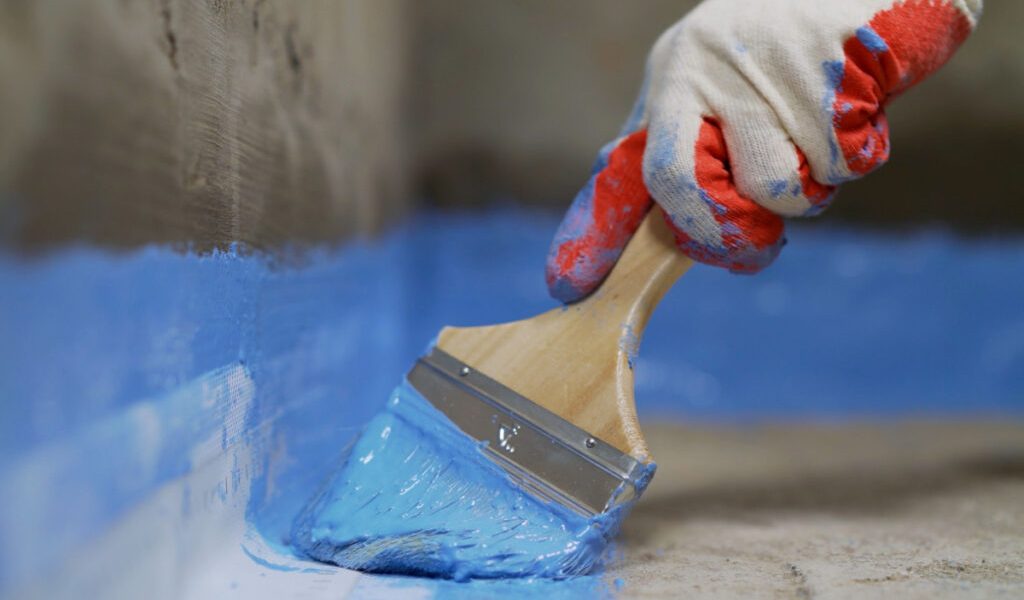
Applying elastomeric waterproofing requires not only the right materials and conditions but also specific techniques to achieve the most effective results. Using tools such as sprayers, brushes, or rollers can influence the finish and efficacy of the application. A common technique involves using a spray for the initial layer to ensure even distribution, followed by a roller or brush to work the material into any textured surfaces for thorough coverage.
Additionally, multi-layer applications are often recommended. Applying elastomeric coatings in thin layers (approximately 15 to 20 mils thick) maximizes their performance and avoids pooling or dripping. Allowing adequate curing time between layers typically 24 to 48 hours, depending on conditions is crucial for establishing a robust seal.
Moreover, paying attention to the overlap of coatings is vital to prevent weak spots. When applying additional layers, ensure they overlap with previously treated areas to maintain a continuous barrier. Finally, maintaining a “wet edge” while applying can help avoid lap marks transition lines where the coating overlaps when dried which can become potential water ingress points. Careful attention to these application techniques ensures a highly effective elastomeric waterproofing system.
Cost vs. Value: Is Elastomeric Waterproofing Worth the Investment?
Breaking Down the Budget: Initial Costs vs. Long-Term Benefits
Investing in elastomeric waterproofing can seem daunting when considering the upfront costs associated with materials and labor. On average, homeowners might expect to allocate between $1.00 to $3.00 per square foot for professional application, depending on the complexity and size of the job. While this may appear expensive relative to traditional waterproofing methods, it’s essential to consider the long-term benefits that elastomeric coatings offer.
These coatings are known for their durability, often providing a lifespan of 10 to 20 years with minimal maintenance. This extended longevity far outweighs the potential short-term savings of cheaper waterproofing options that may require frequent repairs and replacements. Over time, the investment in elastomeric waterproofing can lead to substantial savings on repair bills triggered by water damage, not to mention the preservation of property value and indoor air quality crucial factors in maintaining a safe and enjoyable living environment.
Moreover, elastomeric waterproofing can contribute to energy efficiency by insulating your property from extreme temperature fluctuations, leading to lower heating and cooling costs. When evaluating the total cost of ownership, it’s vital to incorporate these long-term benefits, highlighting the project’s value well beyond the initial outlays.
Comparative Analysis: Elastomeric vs. Traditional Waterproofing Methods
In the realm of waterproofing, different methods exist, each with its advantages and drawbacks. Traditional solutions, such as bitumen or cementitious coatings, typically marry strength and affordability. However, they often fail to address the challenges inherent in dynamic structures with high levels of movement.
In stark contrast, elastomeric waterproofing differentiates itself through its flexibility and breathability, vital for adapting to a home’s natural settlement and expansion. While traditional methods may offer a lower initial investment, their limited lifespan and susceptibility to failures under movement often lead to more frequent repairs and reapplications. Among building professionals, situations involving settlement or structural shifts often gravitate towards elastomeric solutions for their preventative resilience.
Additionally, elastomeric coatings boast superior adhesion, allowing them to grip a wider variety of surfaces without the need for primers in many instances. This adaptability can significantly lower labor costs, as it often reduces prep work in the application. In sum, the long-term advantages of elastomeric waterproofing reveal its edge over traditional methods, providing homeowners with more durable and effective moisture protection.
Enhancing Property Value: The ROI of Proper Moisture Protection
Elastomeric waterproofing not only delivers essential moisture prevention but also enhances the overall aesthetic and functional value of a property. Homes excelling in proper maintenance of their exterior elements are perceived as more desirable to potential buyers. Thus, investing in high-quality waterproofing can yield significant returns, increasing property value and setting the stage for better market performance.
Water intrusion is a leading cause of property damage, directly affecting structural integrity and indoor air quality, both of which are impactful to home value. By implementing elastomeric waterproofing systems that last longer and demand less maintenance, homeowners can reap the rewards through minimized risk of severe structural damages. As prospective buyers look for homes with proven water protection measures, presenting a well-protected property becomes a substantial selling point.
Furthermore, owners of properties equipped with elastomeric waterproofing may command higher rental yields in the investment market as tenants seek durable, well-maintained properties that promise comfort and reliability. In this landscape, the high ROI associated with elastomeric waterproofing not only denotes financial prudence but also promotes considerable quality of life improvements, solidifying its appeal in the eyes of both current homeowners and future buyers alike.
Maintenance and Longevity: Keeping Your Waterproofing in Top Shape
Routine Checks: How to Spot Problems Before They Escalate
Maintaining the integrity of elastomeric waterproofing is a proactive effort that pays dividends in longevity and performance. Regular inspections of your waterproofed areas particularly after severe weather events or at changing seasons are essential to identify potential problem areas. Look for signs of bubbling, cracking, or peeling in the coating, as these are indicators that moisture may begin to breach the membrane.
Additionally, inspect for any growth of mold or mildew in applying high humidity conditions. Such growth can be damaging not only to the coating but also to the indoor air quality of your home. A thorough examination should also include checking the surfaces for structural damage or leaks that might compromise the waterproofing layer, thus ensuring prompt remediation of any emerging issues.
Creating a maintenance schedule, particularly every six months or after significant rain, can foster consistency in preventative care. Keeping detailed records of inspections and maintenance actions can also prove invaluable, aiding in both assessments of long-term performance and decision-making for future repairs or enhancements.
Cleaning and Repairing: Best Practices for Longevity
Cleaning is a crucial aspect of maintaining elastomeric waterproofing. Over time, dirt and debris can accumulate, potentially compromising adhesion and moisture protection. Regular cleaning with a mild detergent and water, followed by a thorough rinsing to avoid any soap residue, can significantly preserve the life of the coating and support optimal performance. Harsh chemicals or power washing should be avoided, as they may erode the underlying material or damage the coating itself.
In the event of damage, small cracks or blisters can typically be repaired with a simple patching process. Most elastomeric products are designed for easy repair, often allowing homeowners to address minor defects without the need for a complete reapplication. Using compatible repair products is vital for ensuring the integrity and adhesion of the patched area. Implementing these best practices can yield substantial benefits, enhancing the lifespan and performance of elastomeric waterproofing.
When to Call in the Pros: Signs You Need Expert Help
While many aspects of elastomeric waterproofing maintenance can be handled by homeowners, there are definitive situations where professional intervention is warranted. If there are extensive areas of peeling, large cracks, or evidence of significant structural issues, calling in a licensed waterproofing contractor is recommended. They possess the necessary experience and expertise to accurately assess the situation and execute comprehensive solutions.
Additionally, if you are unsure about the overall condition of your waterproofing or find persistent issues despite routine maintenance, a professional evaluation can provide peace of mind. Experienced contractors utilize specialized tools and diagnostic methods to uncover hidden problems that might not be visible during a standard inspection.
Enlisting professional assistance is especially essential if continued water intrusion occurs despite having applied elastomeric waterproofing. It’s crucial to identify and address underlying causes before they escalate into costly repairs. Ultimately, trusting experts can ensure the long-term viability of your waterproofing systems while affirming the investment made in moisture management.